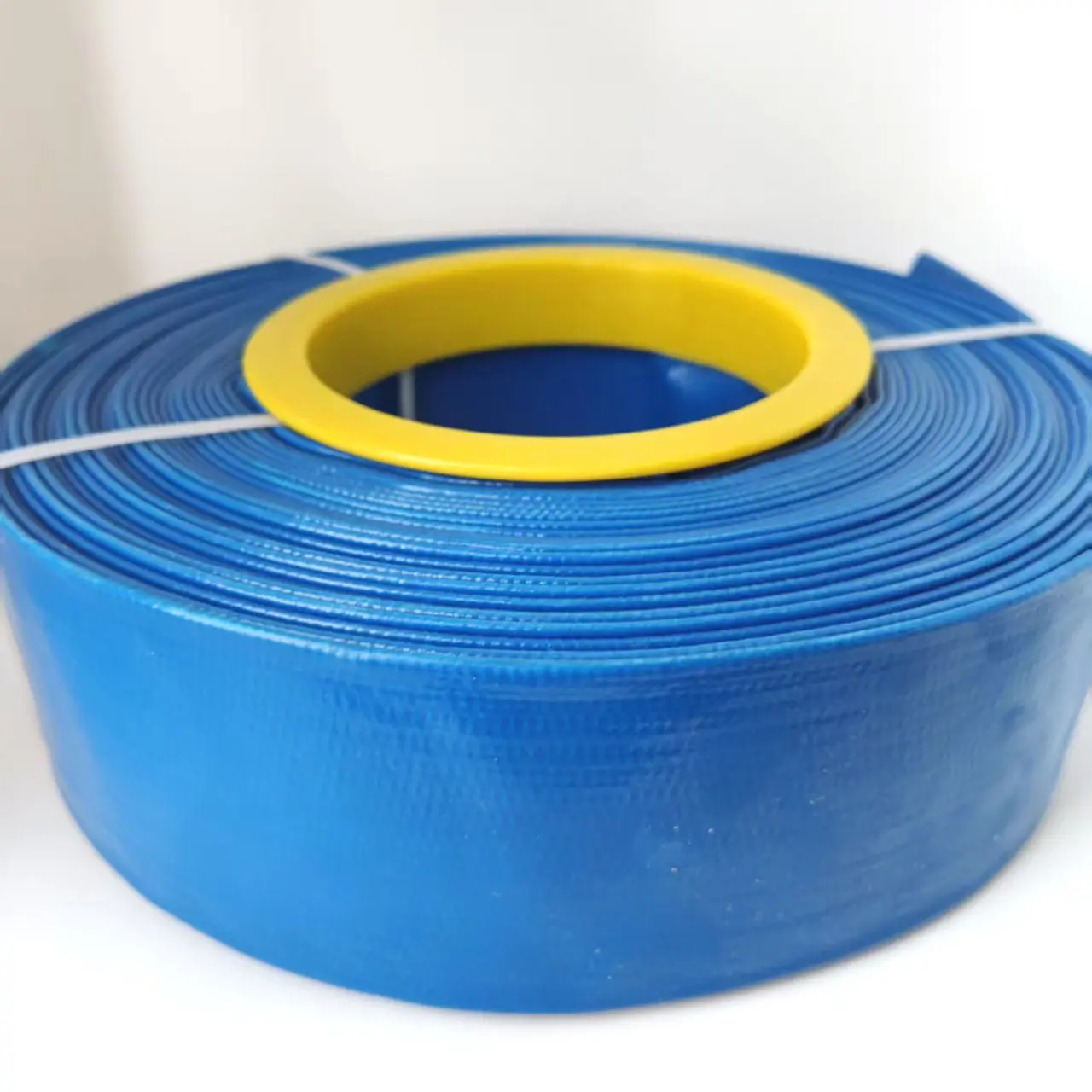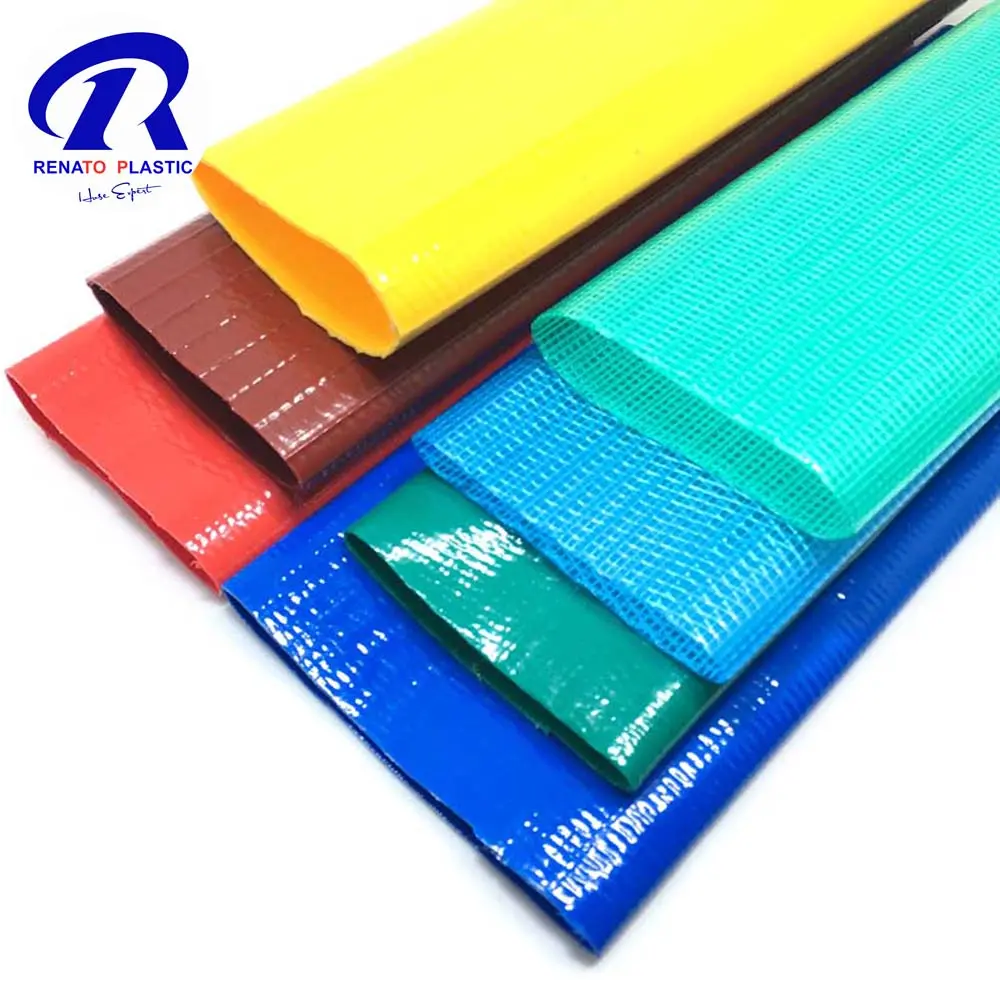
Agriculture has always been an engineering challenge disguised as a simple profession. Water moves from rivers, pumps, canals, tanks, and wells to crops through a network of hoses and pipes—some reliable, others stubbornly determined to leak at the worst moment. The unsung hero of modern irrigation, especially in large-scale farming, is the Agricultural Irrigation Flexible Pump PVC Lay Flat Hose. Whether you call it the yellow layflat, blue layflat, or red layflat, this hose has become standard equipment for farms worldwide thanks to its toughness, flexibility, cost efficiency, and outstanding flow characteristics.
This article dives into everything you need to know: structure, material science, manufacturing techniques, real-world durability, pressure capacity, applications, color-coding differences, cost expectations, and procurement considerations for bulk buyers. The goal is to give you a complete, technically grounded understanding so you can choose the right PVC lay flat hose for agricultural irrigation with confidence.
1. What Is an Agricultural Irrigation Flexible Pump PVC Lay Flat Hose?
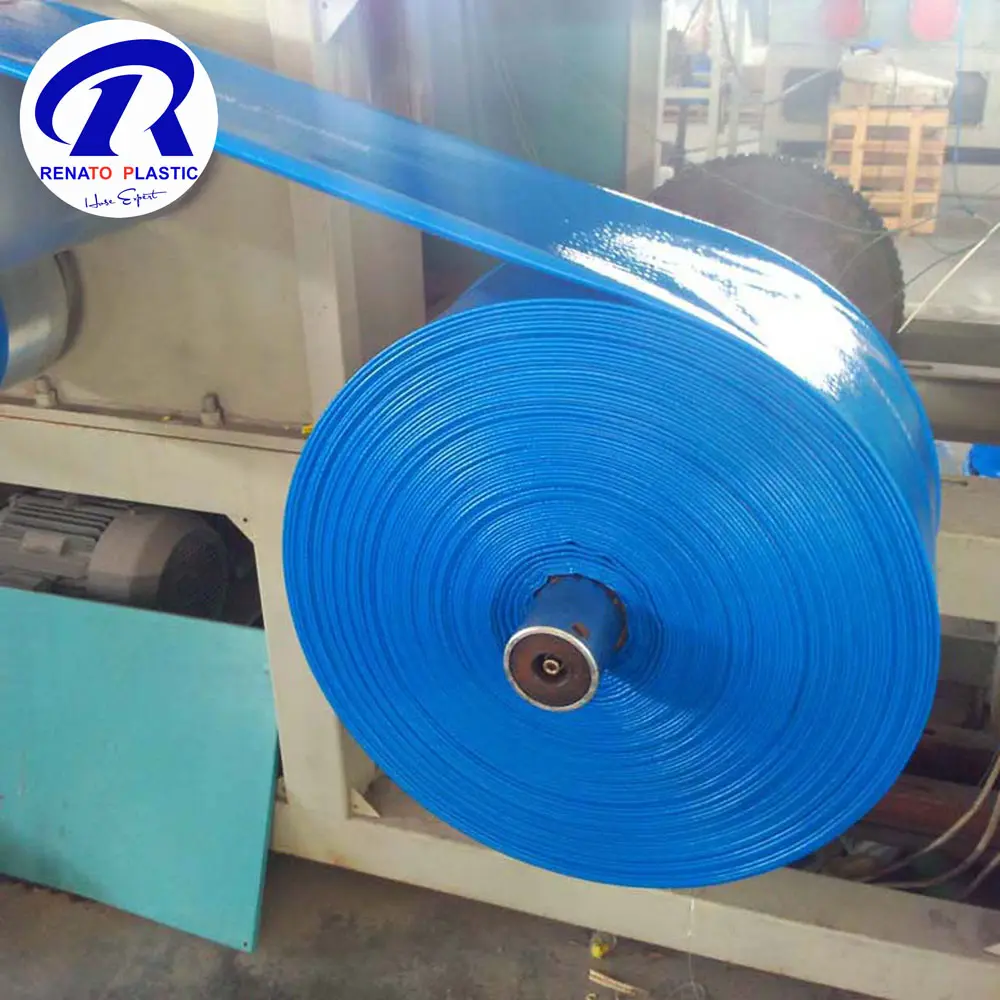
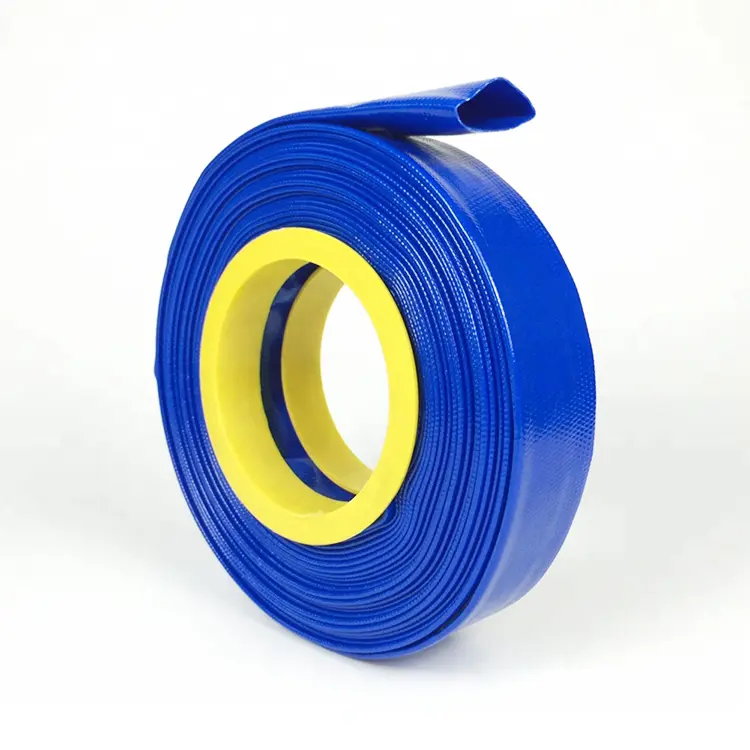
A lay flat hose is a flexible, flattened PVC hose reinforced with polyester yarn. When water flows through it, the hose expands into a round shape; when empty, it compresses and “lays flat” for easy storage and transportation.
It is specifically engineered for agricultural irrigation pump systems—those that require long-distance water transfer, high-volume flow, and manageable pressure. It is widely used with diesel pumps, submersible pumps, drip irrigation networks, sprinkler systems, and slurry transfer systems.
The bright colors—yellow, blue, and red—aren’t for aesthetics alone. Many manufacturers use colors to indicate pressure rating or thickness. For example:
• Yellow – economy or medium-pressure grade
• Blue – standard high-pressure irrigation grade
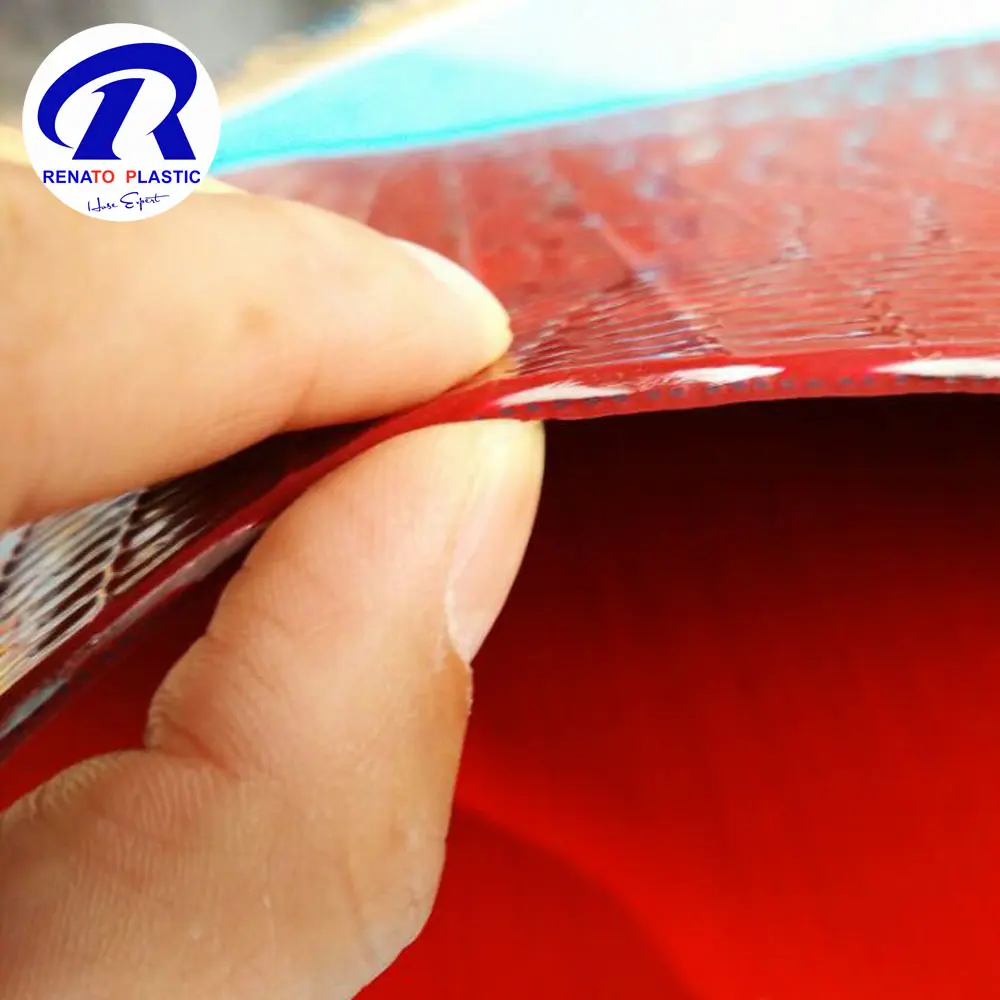
• Red – heavy-duty or premium, reinforced grade
Color systems vary by factory, but the principle remains: color helps farmers quickly identify hose type in the field.
2. Why PVC Lay Flat Hose Is Ideal for Agricultural Irrigation
Agriculture is hostile: mud, sunlight, heat, dragging across stones, rapid pressure changes, and long working hours. PVC lay flat hoses survive all that because of three engineering principles.
A. Flexible Yet Strong
The outer PVC jacket is soft enough to bend but thick enough to resist abrasion. Reinforced polyester fibers give it tensile strength and prevent bursting.
B. High Water Flow Efficiency
When pressurized, the hose becomes nearly circular, reducing turbulence and maintaining stable flow rates.
C. Lightweight and Easy to Move
Compared with rubber hoses or rigid pipes, PVC lay flat hoses reduce labor time dramatically. One person can deploy over 100 meters quickly.
Farmers appreciate tools that work without drama. PVC lay flat hoses became popular simply because they make irrigation simpler.
3. Structure and Material Composition: Why Durability Matters
A typical high-quality agricultural PVC lay flat hose has the following structure:
• Inner Layer: Smooth PVC formulation designed to minimize friction loss
• Reinforcement Layer: High-tenacity polyester jacket (cross-woven)
• Outer Layer: UV-stabilized PVC with abrasion-resistant additives
Material Benefits
PVC is naturally resistant to:
• Alkaline and acidic water
• Fertilizer chemicals
• Microbial growth
• Rust and corrosion
• UV radiation (with added stabilizers)
This chemical resistance is essential in modern farming, where water often carries minerals, sand, or nutrient additives.
4. Typical Specifications Table (General Reference for Buyers)
Below is a standard technical spec table used in agricultural PVC lay flat hose procurement. Exact values vary by manufacturer, but this gives a realistic benchmark.
| Size (Inch) | Inside Diameter (mm) | Wall Thickness (mm) | Working Pressure (Bar) | Burst Pressure (Bar) | Weight (kg/m) | Standard Length (m) |
|---|---|---|---|---|---|---|
| 1" | 25 | 1.8 – 2.0 | 3 – 5 | 9 – 15 | 0.14 | 50 / 100 |
| 1.5" | 40 | 2.0 – 2.4 | 4 – 6 | 12 – 18 | 0.19 | 50 / 100 |
| 2" | 50 | 2.0 – 2.5 | 4 – 7 | 12 – 21 | 0.23 | 50 / 100 |
| 2.5" | 65 | 2.2 – 2.8 | 5 – 8 | 15 – 24 | 0.30 | 50 / 100 |
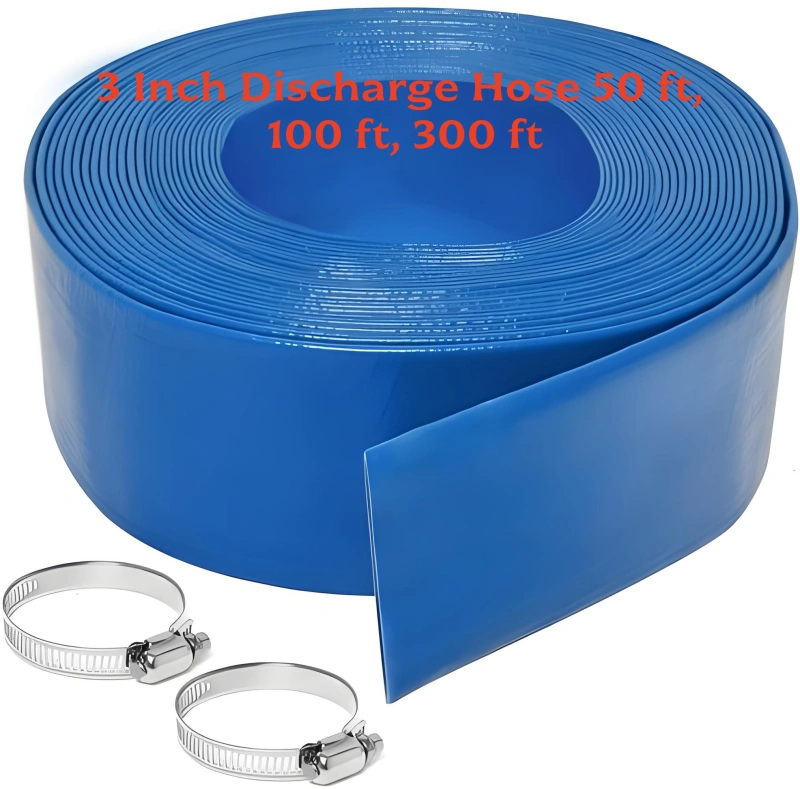
| 3" | 75 | 2.4 – 3.0 | 5 – 10 | 18 – 30 | 0.38 | 50 / 100 |
| 4" | 100 | 2.5 – 3.2 | 6 – 10 | 18 – 30 | 0.52 | 50 / 100 |
| 6" | 150 | 3.0 – 3.5 | 4 – 8 | 12 – 24 | 0.95 | 50 / 100 |
| 8" | 200 | 3.5 – 4.0 | 3 – 6 | 9 – 18 | 1.50 | 50 / 100 |
These specifications ensure compatibility with nearly all farm water pump systems.
5. Manufacturing Technology and Technical Parameters
A high-quality factory uses advanced extrusion and braiding machines. Below is a typical technical-spec sheet used in engineering audits.
Technical Specifications Table
| Item | Technical Description |
|---|---|
| PVC Material Grade | Virgin PVC + anti-UV additives + plasticizers |
| Reinforcement | High-tenacity polyester filament, circular braiding |
| PVC Hardness (Shore A) | 78–85 |
| Temperature Range | –10°C to +65°C |
| Tensile Strength | ≥ 12 MPa |
| Adhesion Strength | ≥ 50 N/25mm |
| Elongation at Break | ≥ 250% |
| UV Resistance | ≥ 300 hrs (ASTM G154) |
| Chemical Resistance | Suitable for mild acids, alkalis, fertilizers |
| Burst Pressure Test | 3× rated working pressure |
| Ovality Under Pressure | ≤ 5% |
| Flex Test | 5,000 bending cycles without cracking |
| Compression Recovery | 95% recovery after 24 hours |
These numbers reflect durability—especially important when pumps run daily during crop seasons.
6. Major Applications in Agriculture
Water Transfer from River or Well
Most farmers use diesel pumps or electric centrifugal pumps to move water from a source to a distribution network. Lay flat hoses offer low friction loss and easy movement between plots.
Drip Irrigation Feeding Lines
The hose delivers water to drip networks, particularly on large farms where mainlines need to be moved frequently.
Sprinkler Irrigation
Large-scale sprinkler systems rely on stable pressure. The hose’s internal smoothness keeps flow predictable.
Flood Irrigation for Rice or Vegetables
Wide-diameter lay flat hoses (4–6 inches) quickly flood fields.
Fertilizer and Nutrient Distribution
Because PVC resists mild chemicals, it works well with fertigation systems.
Agricultural Pump Outlet Hose
Whether diesel or electric, pump stability depends on hose strength. Reinforced PVC resist sudden pressure spikes during pump startup.
Dewatering
Helpful in rainy seasons when farms need to remove excess water.
Mud and Slurry Handling
Heavy-duty red hoses are used for low-concentration slurry transfer.
Besides farms, construction sites and mining operations also use these hoses—showing how versatile the product is.
7. Color Coding: Yellow vs Blue vs Red
Color isn't only for looks—it helps farmers intuitively choose the right hose.
Yellow Lay Flat Hose
• Lower pressure (3–5 bar)
• Used for light irrigation
• Best for small farms and gardens
Blue Lay Flat Hose
• The global standard for agricultural irrigation
• Medium to high pressure (5–10 bar)
• Long-distance water transfer
• Balanced cost vs durability
Red Lay Flat Hose
• Premium heavy-duty grade
• Highest pressure (up to 10 bar and above)
• Reinforced for abrasive soil, rocks, and industrial use
In large farms, color makes deployment fast—workers instantly know which hose fits which pump.
8. Cost and Price Range
Factory pricing varies with:
• Diameter
• Wall thickness
• Pressure rating
• PVC formula
• Order quantity
• Color grade
Typical export-factory bulk price reference:
| Size | Price Range (USD per meter) |
|---|---|
| 1" – 1.5" | $0.20 – $0.40 |
| 2" | $0.38 – $0.75 |
| 2.5" – 3" | $0.70 – $1.60 |
| 4" | $1.50 – $3.20 |
| 6" | $3.50 – $6.50 |
| 8" | $6.00 – $12.00 |
Custom printing or OEM branding slightly increases cost.
Bulk orders (1×20ft or 1×40HQ container) usually receive 8–18% discounts.
9. Real-World Performance: What Farmers Should Expect
PVC lay flat hoses perform differently under various conditions. Here’s what experienced users often report:
Smooth water flow
PVC’s low-friction interior helps maintain steady output even at long distances.
No kink memory
Hoses don’t permanently deform even if folded repeatedly.
UV resistance
High-quality hoses maintain flexibility under harsh summer sunlight.
Abrasion resistance
Dragging across soil, gravel, or stubble is expected—and good hoses tolerate it well.
Low leakage
Factory-tested hoses typically hold pressure without sweating or micro-leaks.
These practical benefits are why many farmers replace rubber hoses with PVC lay flat systems.
10. How to Choose the Right Hose
Consider These Factors:
• Pump pressure rating
• Distance of water transfer
• Soil conditions (rocky = choose red heavy-duty)
• Flow rate required (3–4" hoses for high-volume transfer)
• Budget and lifespan expectations
A simple rule:
“Long distance + high pump pressure = thicker, blue/red hose.”
11. Storage, Use, and Maintenance
PVC lay flat hoses last years if treated correctly.
Best Practices
• Avoid dragging across sharp rocks
• Store under shade when not used
• Don’t exceed recommended pump pressure
• Flush after using with fertilizer-mixed water
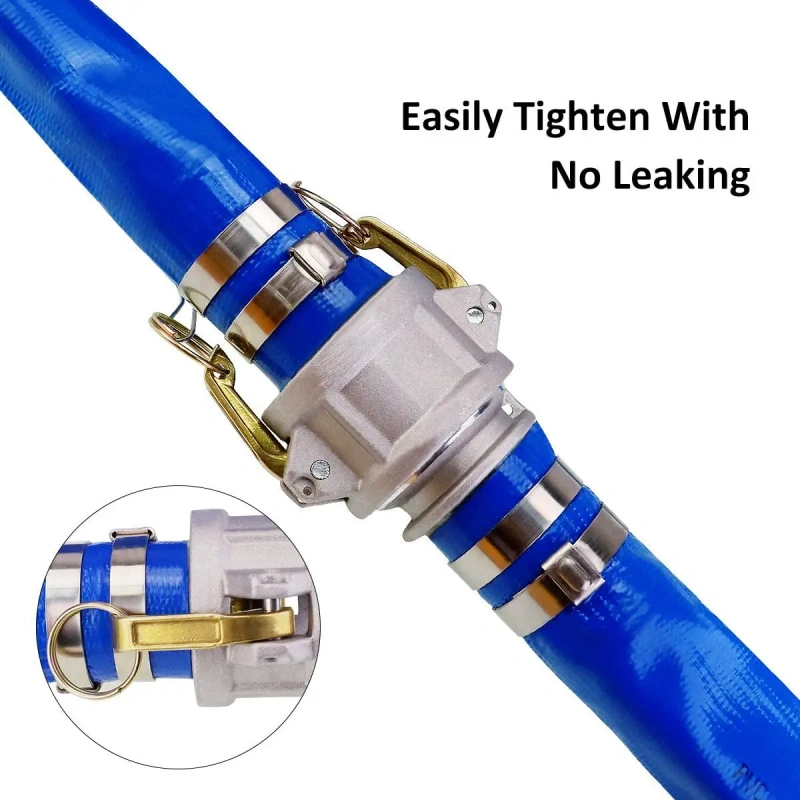
• Use proper hose clamps and couplings
Treat it well, and it becomes a reliable water-moving companion season after season.
12. Why Buy Directly From a Factory?
Factories provide:
• Consistently better pricing
• Ability to customize colors, thickness, printing
• OEM private-label service
• Technical support
• Faster mass production
• Quality audits and test reports
Distributors may be convenient, but direct sourcing gives full transparency.
Conclusion
The Agricultural Irrigation Flexible Pump PVC Yellow/Blue/Red Lay Flat Hose is more than a piece of equipment. It’s the backbone of modern water management on farms. Its mix of durability, flexibility, and affordability makes it indispensable for farms of all sizes. When chosen wisely—with the right pressure grade, thickness, and quality control—it becomes an efficient tool that reduces downtime, labor costs, and water waste.
Modern agriculture depends on reliable water delivery. A good lay flat hose helps transform pumps and water sources into productive, controlled irrigation systems. Choosing the right one unlocks smoother operations and higher farm productivity.
You can explore related topics like pump matching, hose reel systems, and long-distance water transfer strategies to build a complete irrigation infrastructure.
FAQ — Agricultural Irrigation Flexible Pump PVC Yellow/Blue/Red Lay Flat Hose
1. What is a PVC lay flat hose used for in agriculture?
It is used for water transfer from pumps to irrigation systems such as sprinklers, drip lines, and flood irrigation networks.
2. What is the difference between yellow, blue, and red lay flat hoses?
Yellow is economy-grade, blue is standard high-pressure irrigation grade, and red is heavy-duty premium grade with higher burst resistance.
3. How do I choose the correct hose diameter for my farm?
Match the hose size to your pump outlet and required flow rate. Larger farms typically use 2–6 inch hoses for long-distance transfer.
4. What pressure rating should I select?
Check your pump’s working pressure. Choose a hose with equal or higher working pressure and at least 3× burst pressure margin.
5. Are PVC lay flat hoses compatible with fertilizers or chemicals?
Yes. PVC materials resist mild acids, alkalis, and most fertilizers commonly used in agriculture.
6. Can these hoses be used for slurry or dirty water?
Red heavy-duty reinforced hoses are suitable for low-concentration slurry or dirty water. For thick sludge, use industrial rubber hoses instead.
7. How long do PVC lay flat hoses last?
With proper use and storage, good-quality hoses last 2–5 years depending on sunlight exposure, soil abrasiveness, and pump pressure.
8. What is the temperature range for agricultural PVC lay flat hoses?
Typical working range is –10°C to +65°C. They remain flexible under normal farm conditions.
9. Are fittings included with the hose?
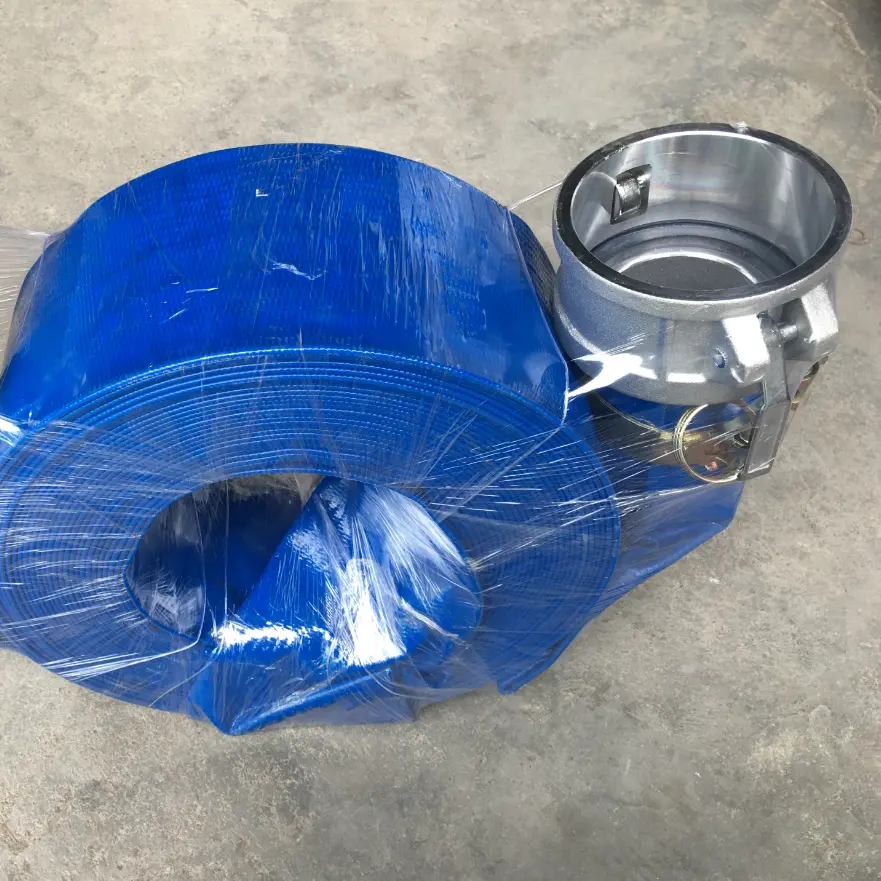
Most factories offer hoses with or without couplings. Buyers can request aluminum, plastic, or stainless-steel connectors.
10. Can I order custom colors or thicknesses?
Yes. Factories support OEM customization for color, wall thickness, pressure rating, and printing.
11. How are hoses packed for export?
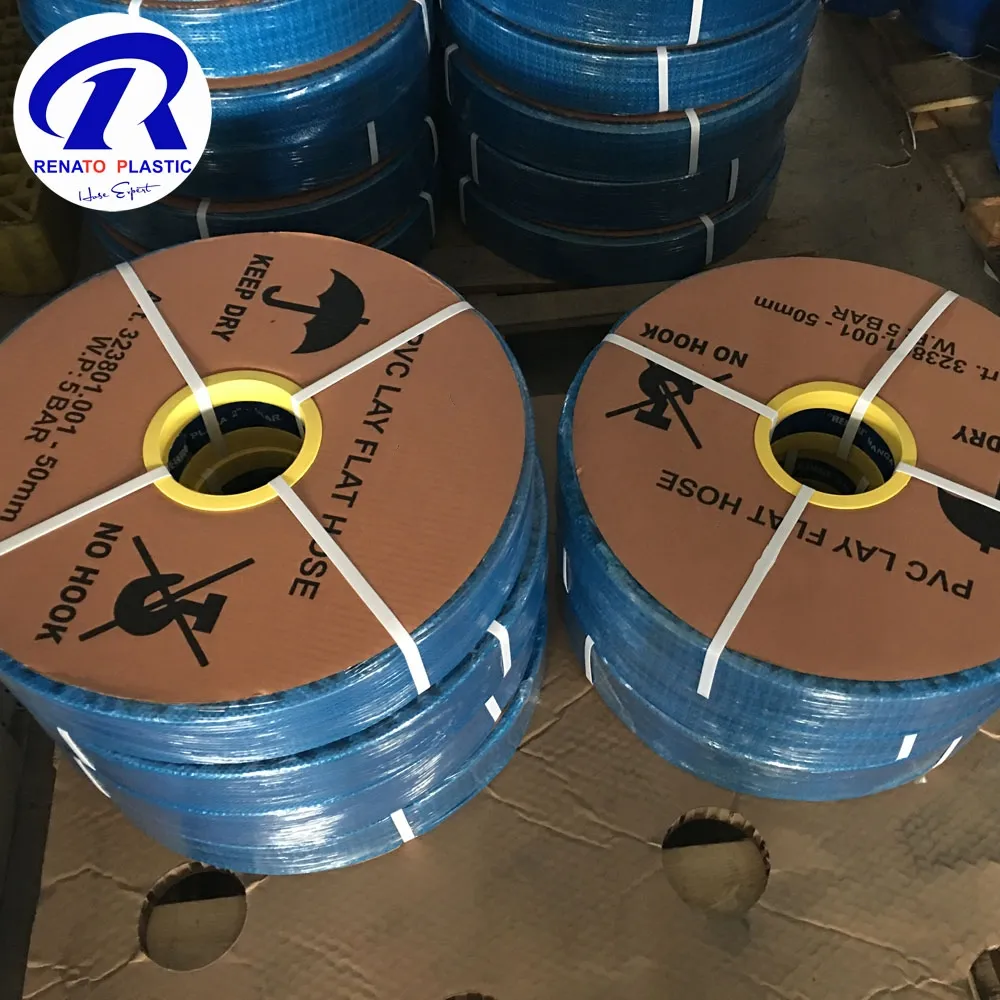
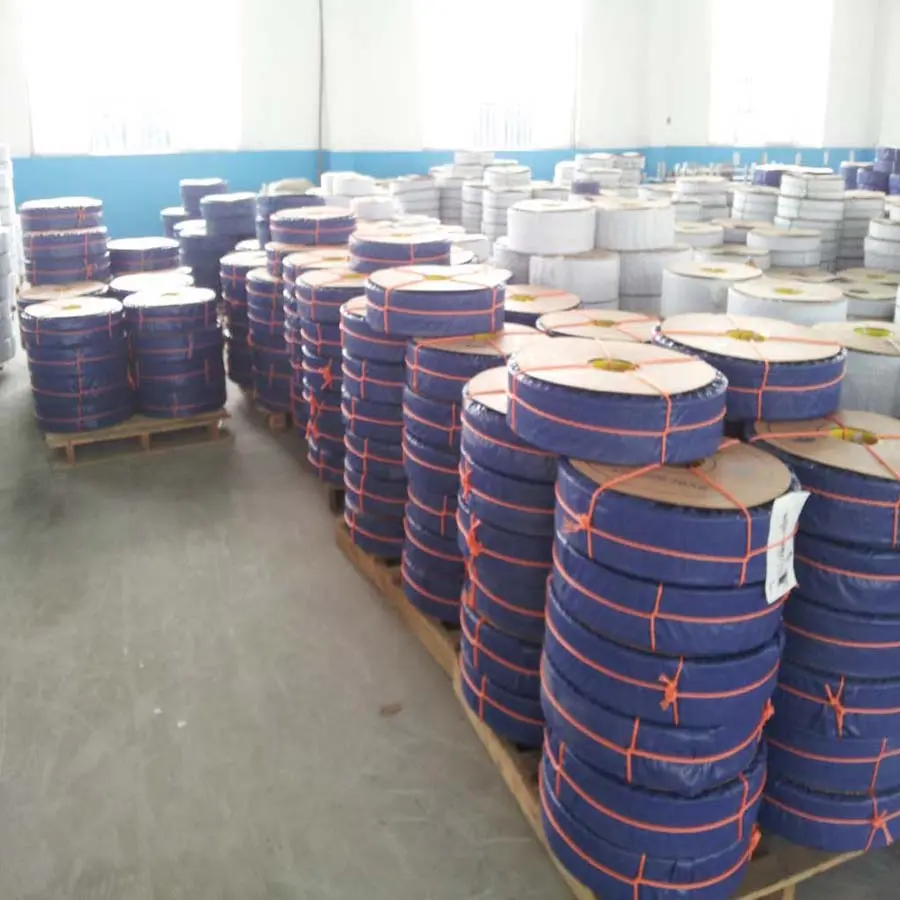
Standard packing includes rolls of 50 m or 100 m, wrapped in poly bags or carton boxes, with pallet options for bulk orders.
12. What is the factory price range?
Prices vary by size, thickness, and pressure rating. Smaller hoses start around $0.20–$0.40 per meter, while larger heavy-duty grades range from $1.50–$12.00 per meter.
13. How do I maintain PVC lay flat hoses for a longer lifespan?
Store them out of direct sunlight, avoid dragging across sharp rocks, flush after fertilizer use, and keep within recommended pressure limits.
14. Can these hoses withstand long-term UV exposure?
Yes, high-quality hoses include UV stabilizers. However, storing them under shade when not in use extends their lifespan significantly.
15. Do factories accept bulk OEM orders?
Yes. Factories usually support customization, branding, and container-level pricing for distributors and large growers.