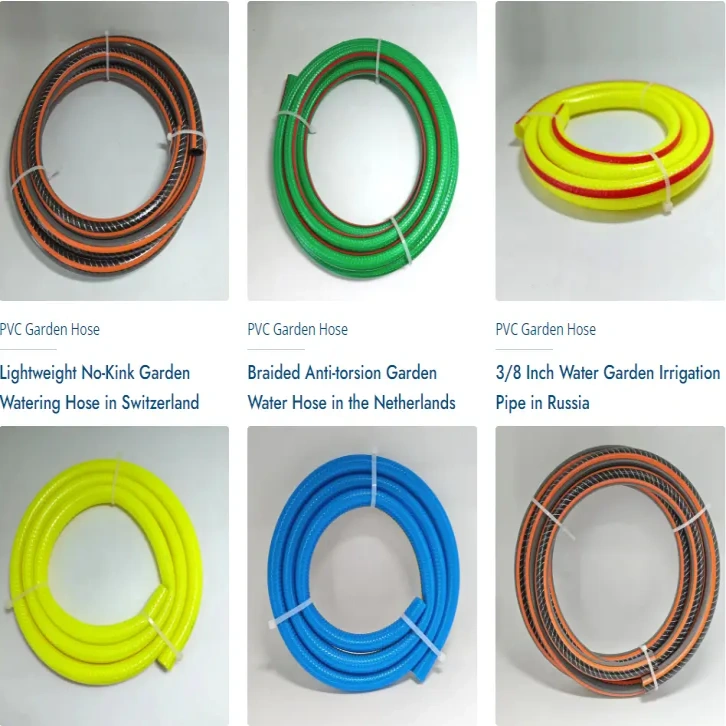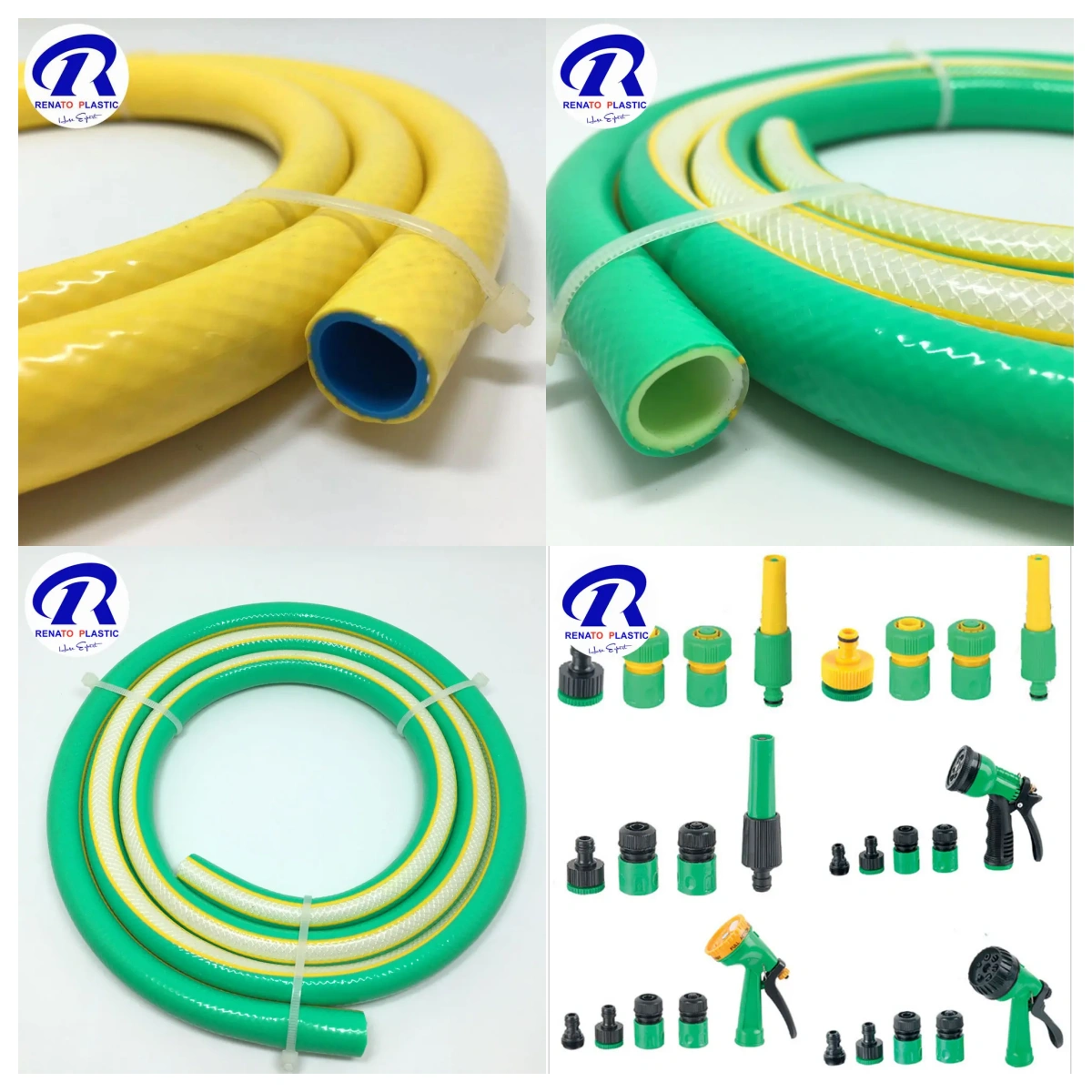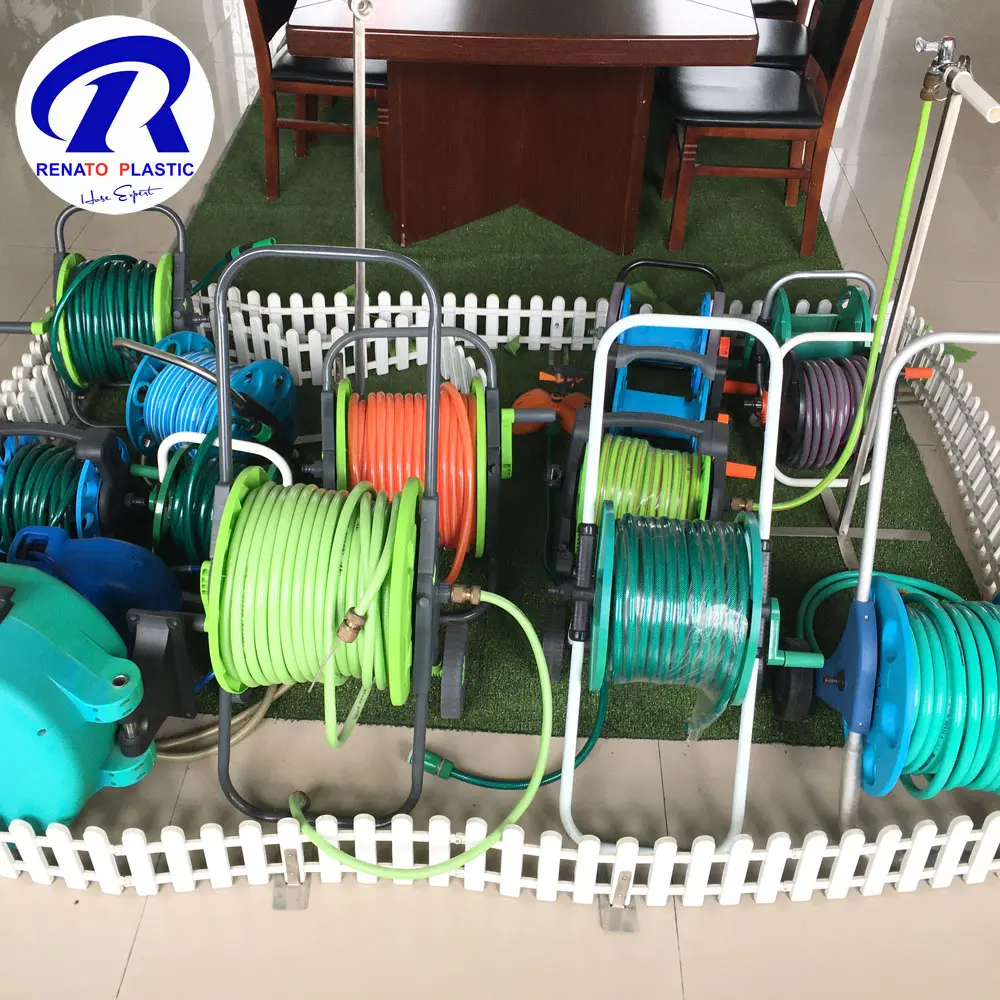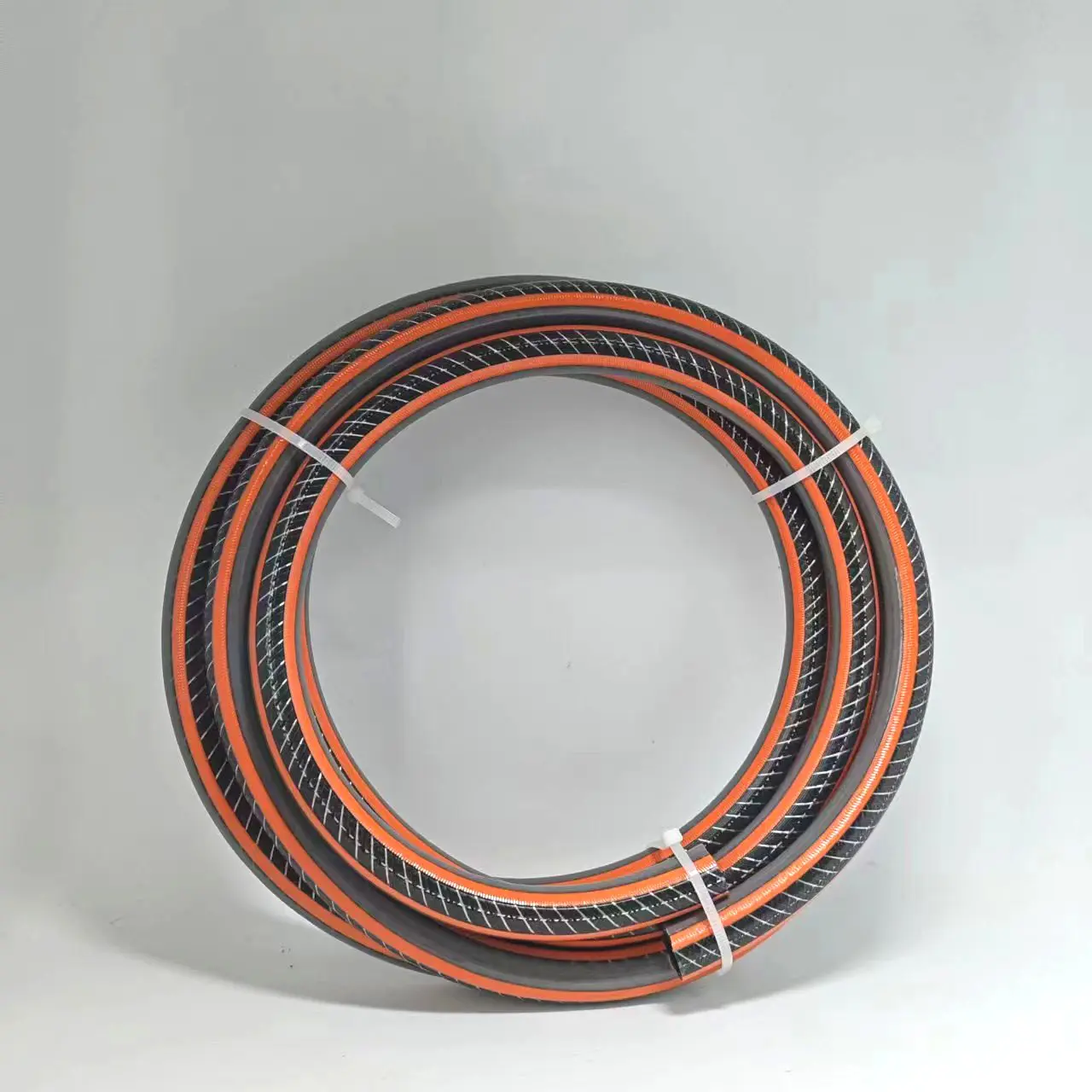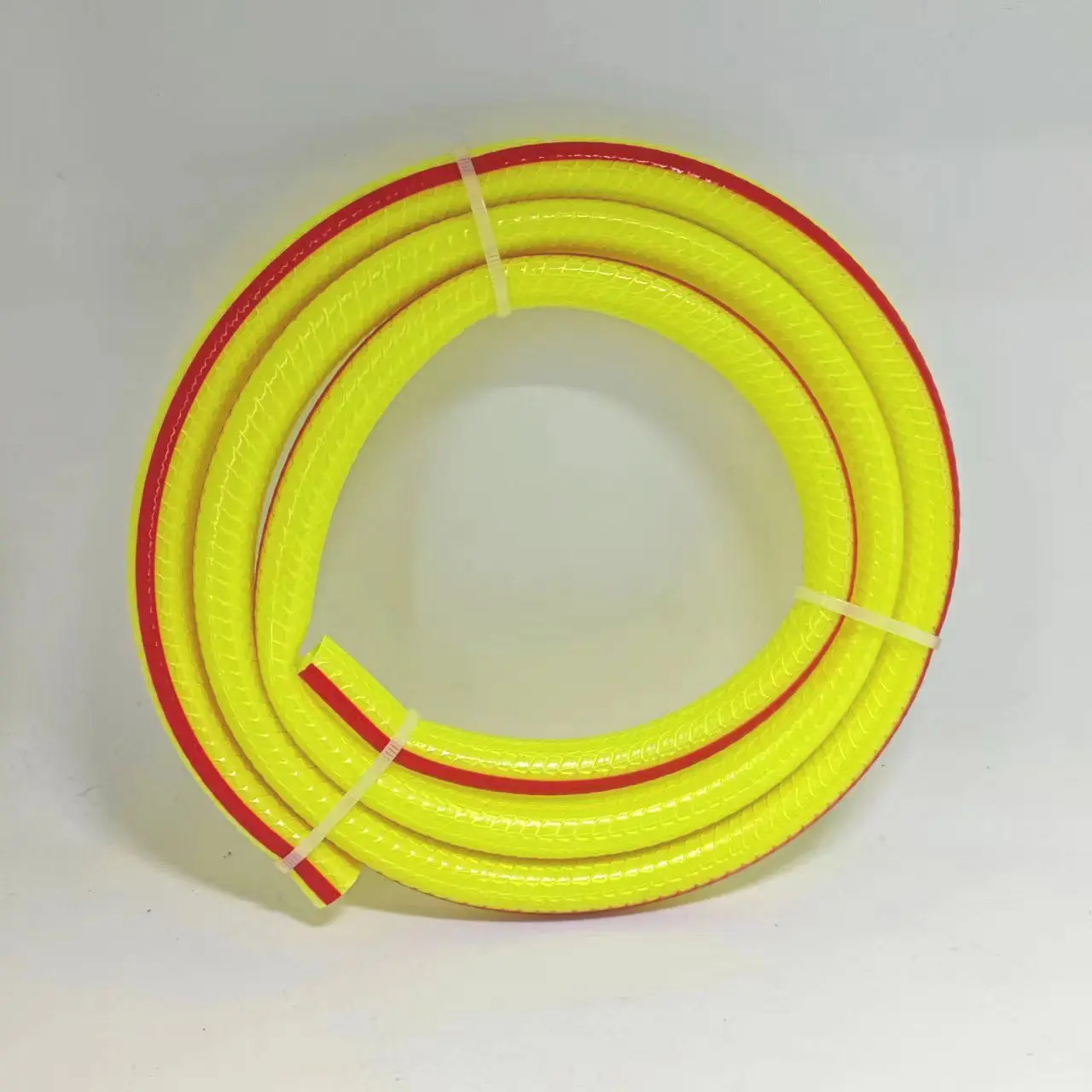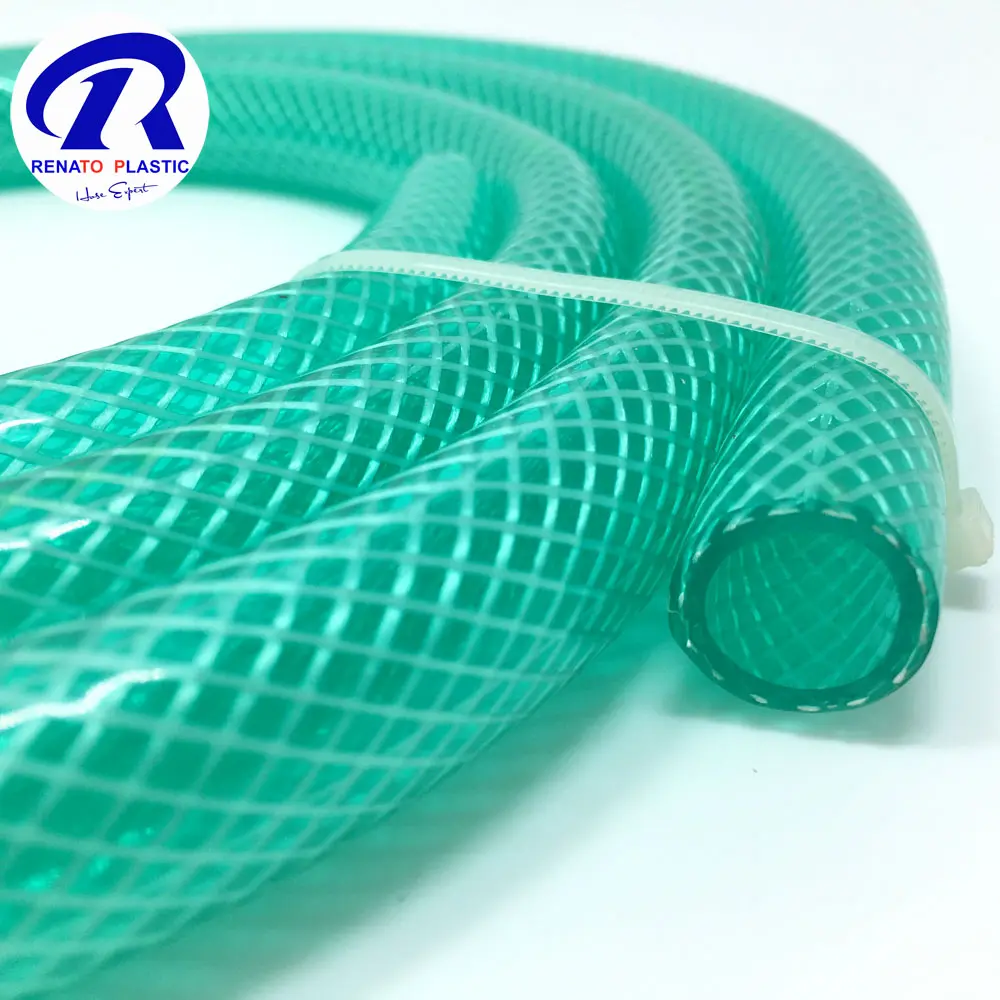
Flexible PVC garden hoses remain the most widely used tools for garden irrigation around the world. They are lightweight, durable, affordable, and compatible with an enormous range of backyard setups—from simple home gardens to large vegetable fields and greenhouse irrigation systems. As more homeowners and commercial growers search for reliable and long-lasting irrigation solutions, the demand for high-quality PVC hoses continues to grow.
This comprehensive guide explores everything you need to know about flexible PVC garden hoses for garden irrigation: what they are made of, how they perform, the different types available, pricing trends, features to consider, and how to select the best hose for your specific needs. By the end, you will have a clear understanding of why PVC hoses are still the standard choice for everyday irrigation and how to make a smart purchase that fits your watering style and environment.
1. What Is a Flexible PVC Garden Hose?
A flexible PVC garden hose is a water-delivery hose manufactured from polyvinyl chloride (PVC) granules combined with softening agents, fiber reinforcement, and stabilizers. The materials are blended, extruded, braided, and then coated to produce a lightweight but pressure-resistant hose suitable for garden and household use.
PVC hoses are prized for their ability to bend without kinking excessively, resist UV damage, handle moderate water pressure, and last several years even under daily use. Because PVC can be engineered in many thicknesses and colors, manufacturers offer hoses for light residential use as well as heavy-duty landscaping and agricultural irrigation.
2. Why Flexible PVC Garden Hoses Dominate Garden Irrigation
PVC hoses remain the most popular irrigation hoses for several strong reasons:
Affordability
PVC is inexpensive to produce compared with rubber or hybrid polymer hoses, making it ideal for homeowners and commercial buyers who need long lengths without overspending.
Lightweight Handling
PVC hoses are considerably lighter than rubber hoses of the same diameter, reducing fatigue when dragging them around large yards or long garden beds.
Weather Resistance
Modern PVC formulations can handle UV exposure, sunlight, moisture, and moderate temperature swings, which allows outdoor use across seasons.
Strength from Reinforcement
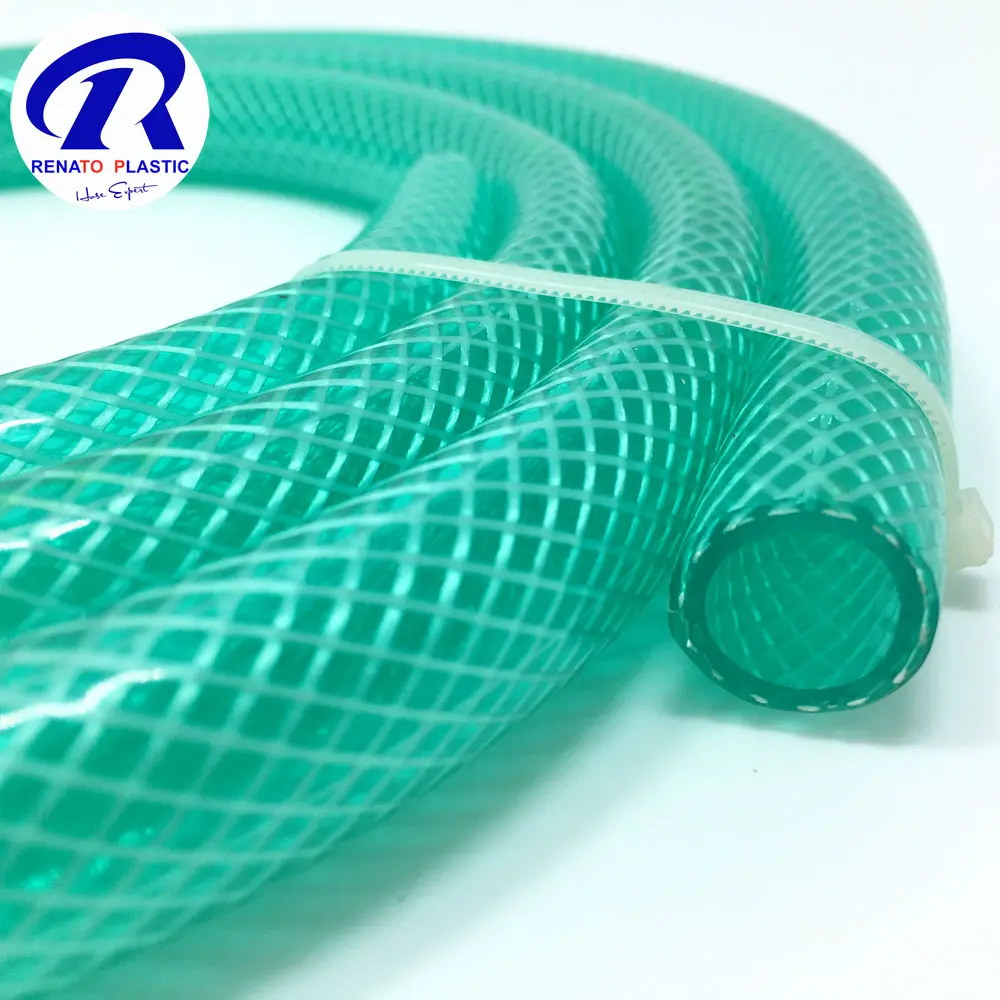
Most garden PVC hoses include a polyester fiber braid that adds internal structure and prevents bursting under pressure.
Compatibility with Garden Accessories
Flexible PVC hoses connect easily to sprinklers, nozzles, hose reels, drip systems, and quick connectors.
Long Service Life
With proper storage, a good PVC garden hose lasts 3–5 years for residential use and longer for occasional irrigation tasks.
These advantages make PVC hoses universally accessible for homes, greenhouses, farms, nurseries, and landscape contractors.
3. How Flexible PVC Garden Hoses Are Manufactured
Understanding how the hose is made helps buyers evaluate quality more accurately.
PVC Granule Mixing
Manufacturers mix PVC resin with stabilizers, colorants, UV blockers, and softening agents. This ensures flexibility and resistance to cracking.
Inner Tube Extrusion
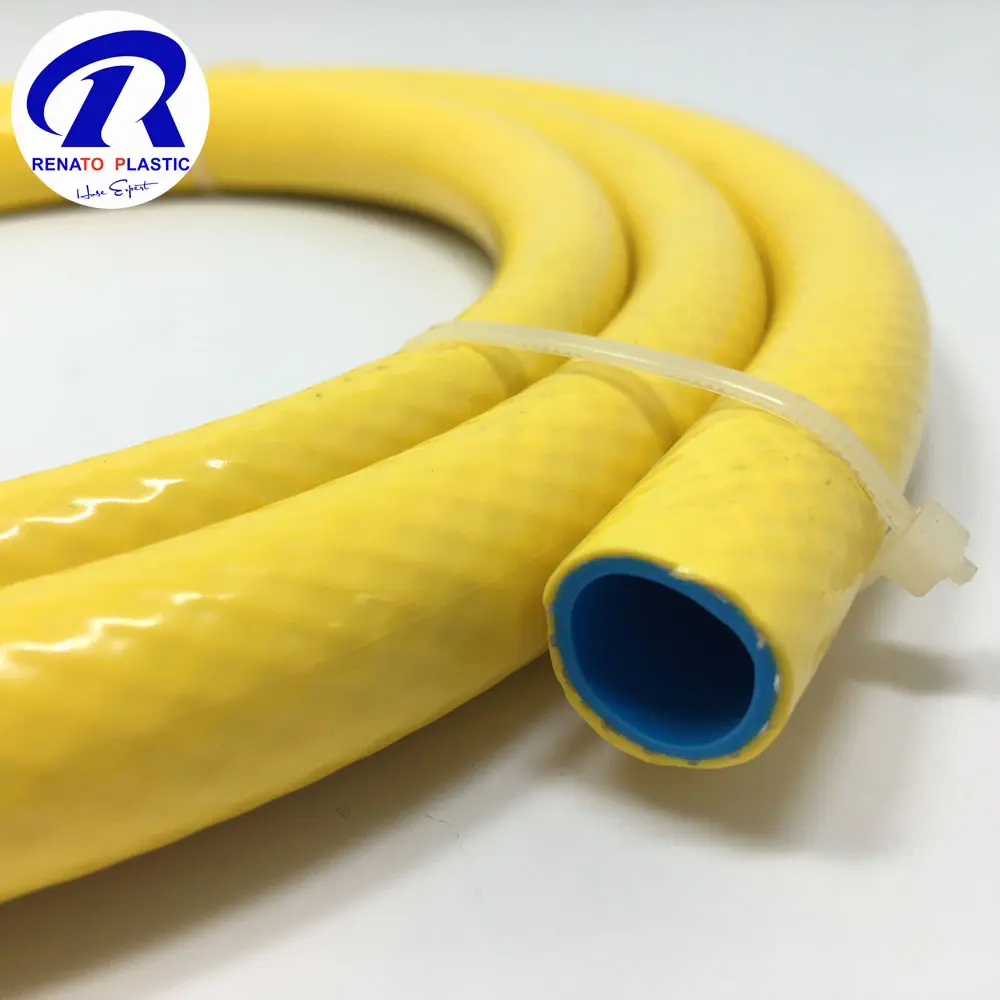
The mixed PVC melts and is extruded into a smooth inner tube. Thickness and diameter are controlled precisely during this stage.
Reinforcement Layer
A dense polyester fiber mesh is braided around the tube. This prevents the hose from ballooning or bursting when pressurized.
Outer Layer Extrusion
A second layer of PVC is extruded onto the reinforcement. This creates a smooth or textured outer surface, depending on the design.
Cooling, Cutting, and Testing
The hose runs through cooling tanks, is cut to length, pressure-tested, coiled, and packaged. High-quality manufacturers test every batch for tensile strength, burst pressure, kink resistance, and temperature performance.
4. Types of Flexible PVC Garden Hoses
Not all PVC garden hoses are built the same. Buyers should understand the different types on the market.
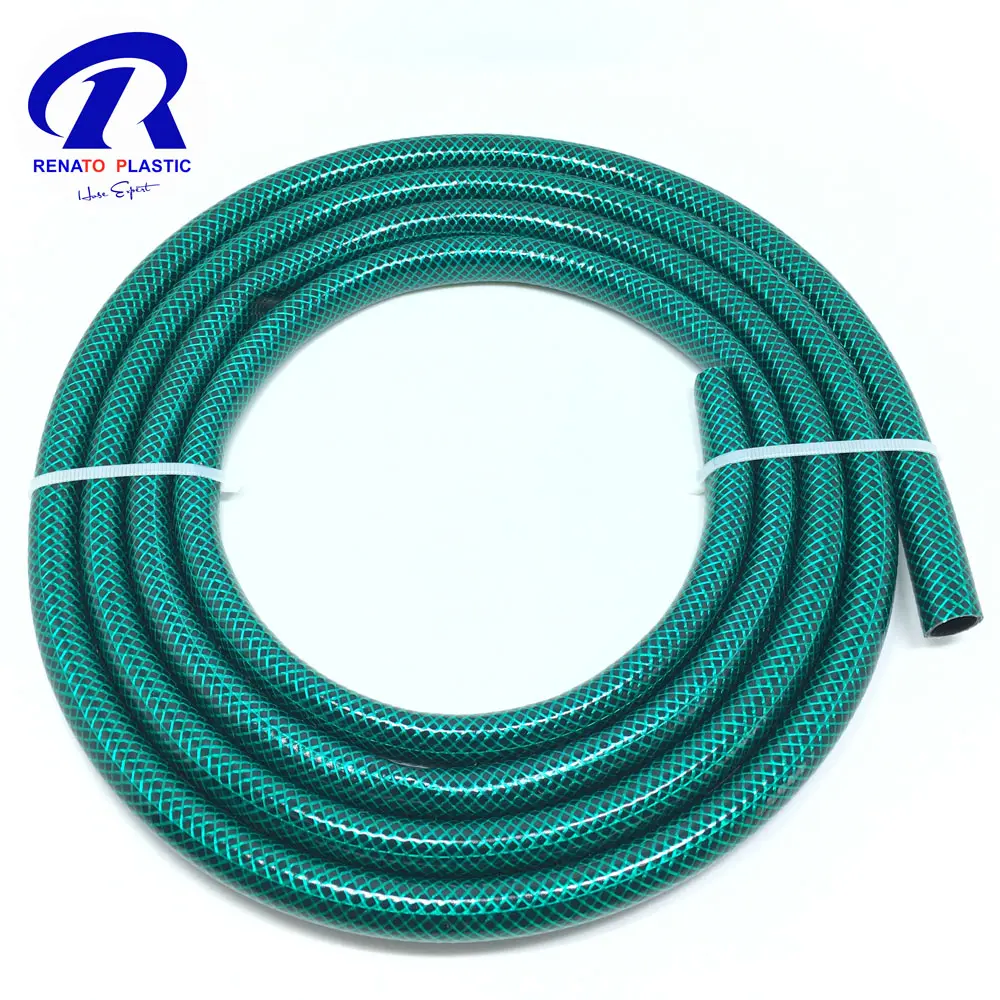
Light-Duty PVC Garden Hose
Designed for home watering tasks such as rinsing patios, watering flowers, and filling small garden containers. Light and inexpensive, but less rugged.
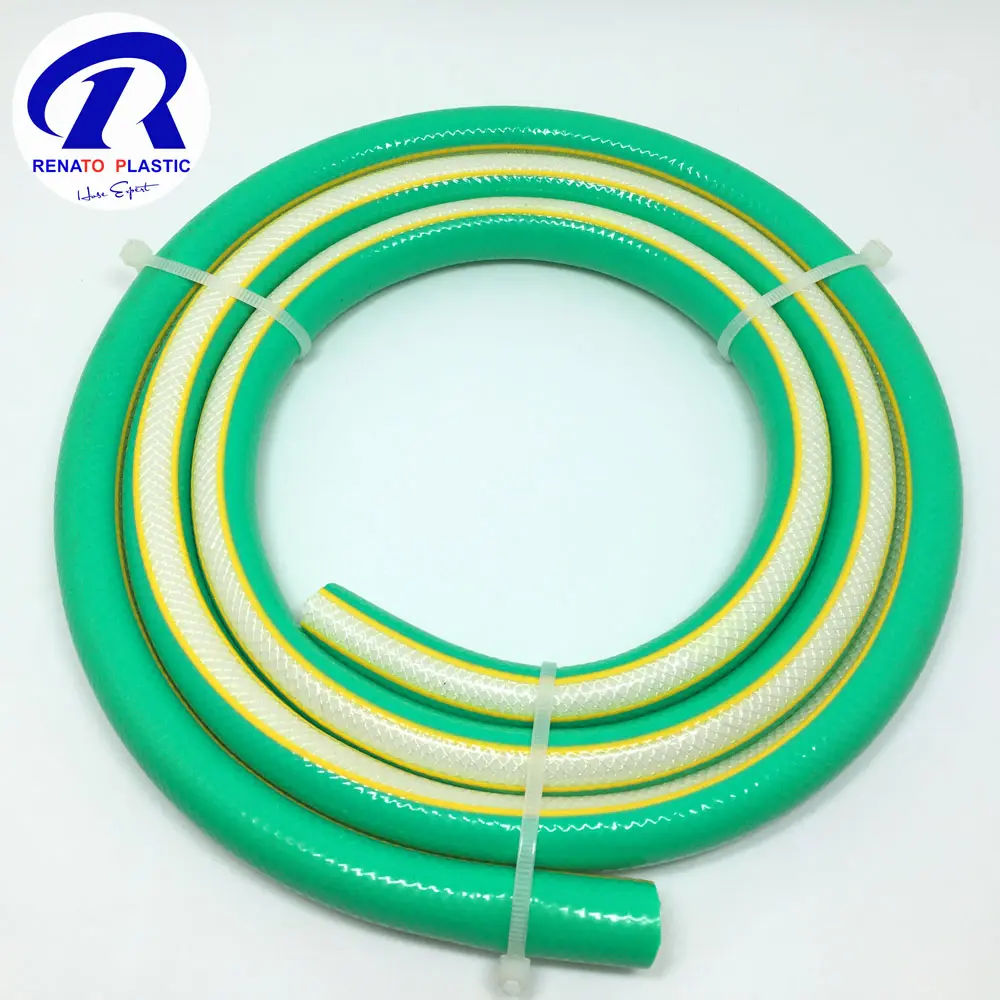
Medium-Duty Reinforced PVC Hose
The most common type for everyday garden irrigation. It includes a strong braided structure and supports moderate water pressure.
Heavy-Duty Professional PVC Hose
Thicker walls, premium fittings, and greater pressure resistance. Often used by landscapers or homeowners with large yards.
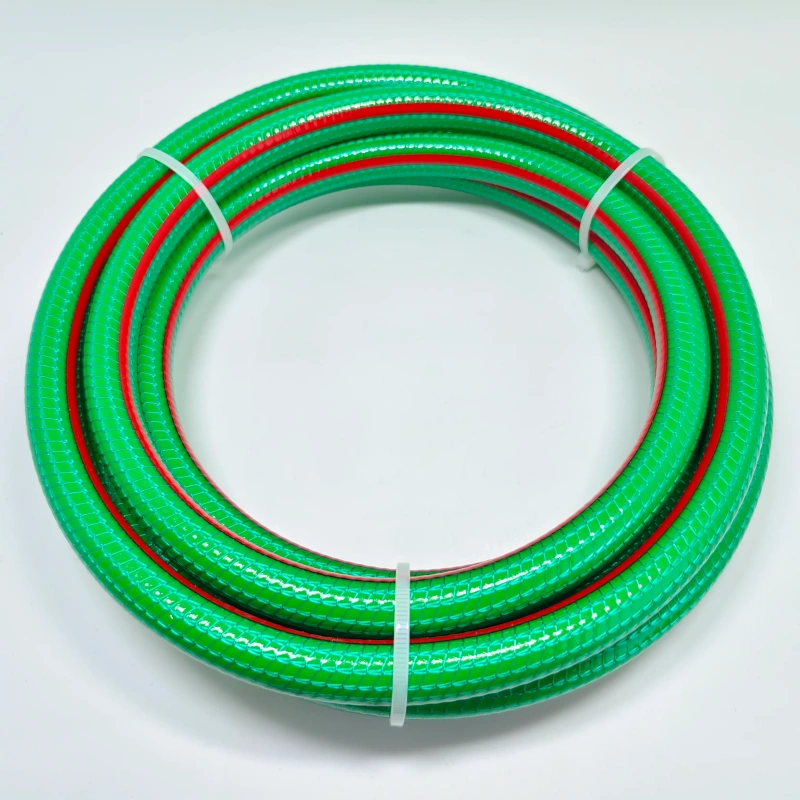
Anti-Kink PVC Garden Hose
Engineered with a spiral or cross-braided structure that reduces kinking and twisting when pulled around corners.
Food-Grade PVC Hose
Used in gardens that supply produce for markets, hydroponics, or aquaculture systems.
Expandable PVC Hybrid Hose
A newer design using a latex interior wrapped in PVC fabric; expands when filled with water. Lightweight but less durable in the long term.
5. Key Specifications to Understand Before Buying
When choosing a flexible PVC garden hose, pay attention to the following specifications:
Diameter
Common diameters include:
1/2 inch (small gardens, low pressure)
5/8 inch (standard home irrigation)
3/4 inch (high-flow, long-distance watering)
1 inch (commercial and agricultural)
Length
Available in:
15m
25m
30m
50m
100m rolls
Longer hoses require stronger pressure.
Working Pressure
Typical working pressure ranges:
4–10 bar for garden hoses
Heavy-duty versions can exceed 12 bar
Burst Pressure
Should be 3x working pressure for safety.
Material Composition
Soft PVC, virgin PVC, or recycled PVC all affect longevity and price.
Reinforcement Type
Single-layer braid
Cross-braid
High-density multi-layer
Better reinforcement means fewer kinks.
UV and Abrasion Resistance
Essential for outdoor, long-term exposure.
6. Garden Irrigation Uses for Flexible PVC Hoses
Flexible PVC garden hoses serve a broad range of irrigation needs:
Home Garden Watering
Perfect for watering small lawns, flower beds, and patio plants.
Drip Irrigation Supply Line
PVC hoses deliver water from the faucet to drip tape or micro-irrigation systems.
Greenhouse Watering
Greenhouses rely on PVC hoses due to flexibility, chemical resistance, and ease of routing.
Vegetable Farms and Orchards
For delivering high-volume water to sprinklers or furrow irrigation systems.
Nursery and Landscaping
Used daily to irrigate potted plants and landscape installations.
Hydroponics and Aquaponics
PVC hoses benefit from chemical stability and food-safe options.
Home Watering Accessories
Such as hose nozzles, spray guns, sprinkler heads, and irrigation timers.
7. Benefits of Using Flexible PVC Garden Hoses
Why PVC remains a favorite for growers and homeowners:
Cost-Effective
A PVC garden hose can be 40–70% cheaper than pure rubber hoses, making it attractive for large gardens or commercial operations.
Strong But Lightweight
PVC is easier to carry and maneuver when dragging around trees, fences, and long rows of crops.
Flexible Even When Cold
Modern PVC stays flexible in cooler temperatures, unlike older models that stiffen.
Resistant to Mold and Algae
PVC’s smooth interior reduces buildup over time.
Easy to Store on Reels
The collapsible and smooth surface coils neatly on hose reels without friction.
Long Service Lifespan
Especially when kept in the shade or stored properly in winter.
8. How to Choose the Best Flexible PVC Garden Hose
Here are the criteria that matter most:
Select the Right Diameter
Bigger gardens require 5/8" or 3/4".
Small patios can use 1/2".
Choose Proper Pressure Rating
Higher pressure means fewer burst risks.
Evaluate Kink Resistance
Check for:
multi-layer reinforcement
anti-kink design
thicker outer wall
Check Fitting Quality
Preferred materials:
brass
stainless steel
heavy-duty ABS
Avoid thin aluminum threads.
Consider UV-Blocking Treatment
Essential for sunny climates such as Australia, India, California, or Southern Europe.
Match the Hose to the Watering System
Sprinklers require higher flow; drip systems need pressure control; misting systems need flexibility.
9. Pricing of Flexible PVC Garden Hoses
Prices vary by diameter, thickness, and quality:
Retail / Consumer Market Price
1/2" PVC garden hose: USD 6–18
5/8" reinforced hose: USD 12–30
3/4" heavy-duty hose: USD 22–55
Wholesale / Factory-Direct Price
Bulk buyers typically pay:
USD 0.20–0.70 per meter for standard PVC hoses
USD 0.70–1.50 per meter for heavy-duty reinforced types
Large volume orders (containers) receive lower pricing.
10. Installation and Usage Tips
To maximize performance and lifespan:
Avoid dragging the hose over sharp stones
Even reinforced PVC can scuff over time.
Store on a hose reel
Prevents kinks and internal stress.
Release pressure after use
Water left inside can expand or deform the hose over time.
Keep away from engines or hot surfaces
PVC softens at high temperatures.
Use quick connectors for convenience
Improves efficiency when switching nozzles or sprinklers.
11. Common Problems and How to Prevent Them
Kinking
Choose a thicker, reinforced model and avoid tight coil angles.
Leakage at connectors
Use brass or stainless-steel fittings and rubber washers.
UV degradation
Select UV-stabilized PVC or store the hose in a shaded area.
Bursting
Check pressure ratings and avoid running hot water through standard PVC hoses.
12. Why PVC Garden Hoses Remain the Smart Choice
For most gardeners, PVC hoses strike the perfect balance between affordability, durability, and everyday practicality. They perform well in almost any climate, fit all standard irrigation systems, and are easy to use for people of all ages. Whether you manage a large vegetable patch, run a nursery, maintain a greenhouse, or simply water your lawn every weekend, a flexible PVC garden hose provides dependable service at a reasonable cost.
The future of irrigation will always include smarter systems, automation, and upgraded materials, but PVC hoses will remain at the center because they combine simplicity with lasting value.