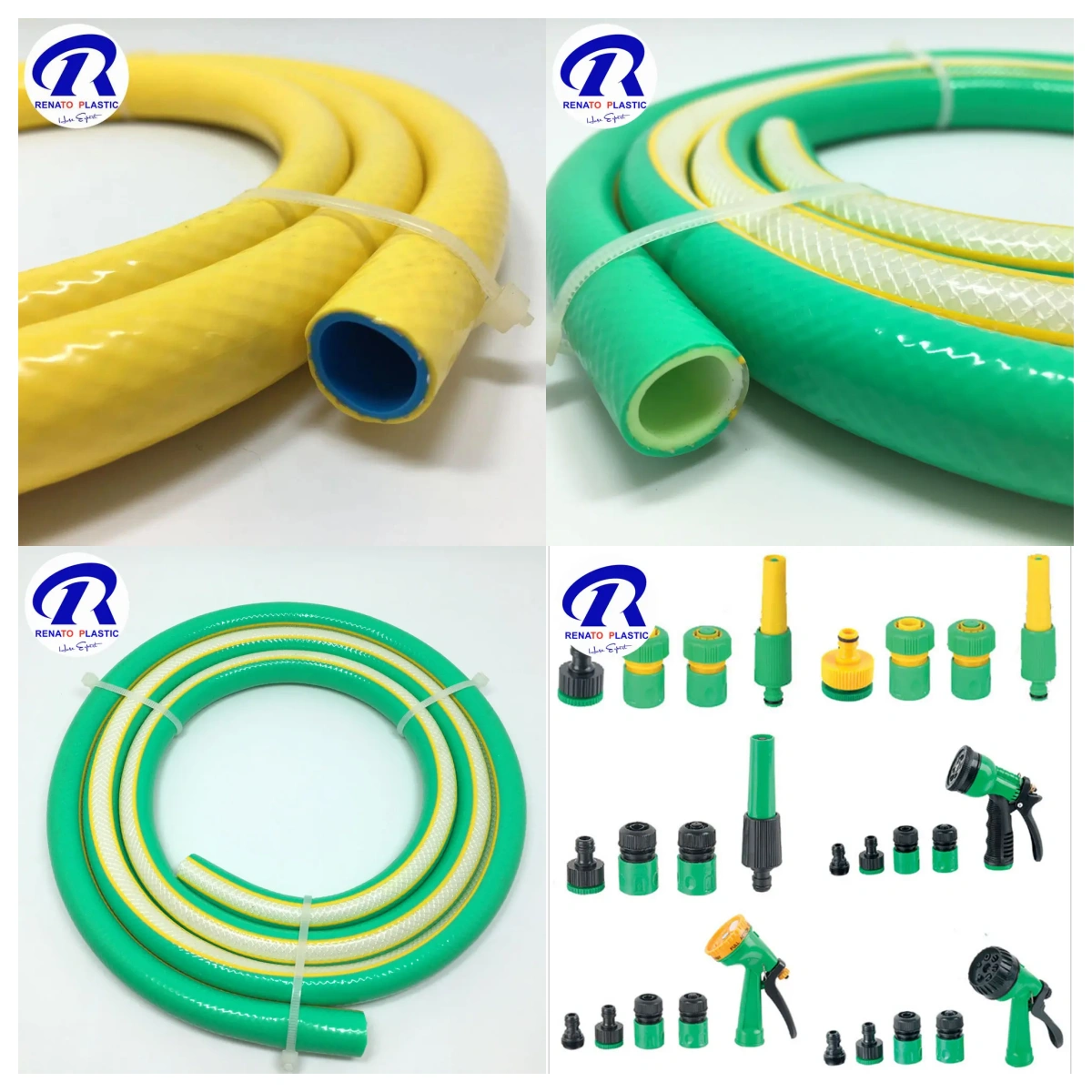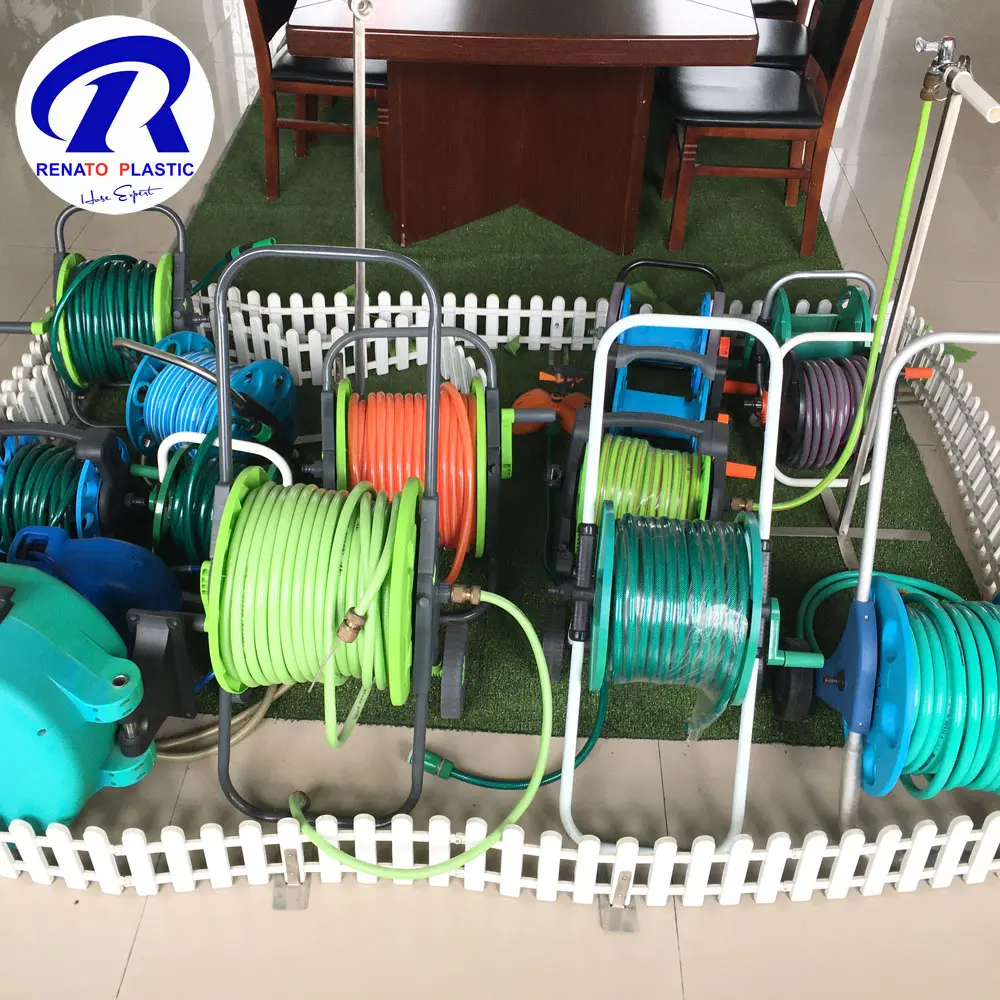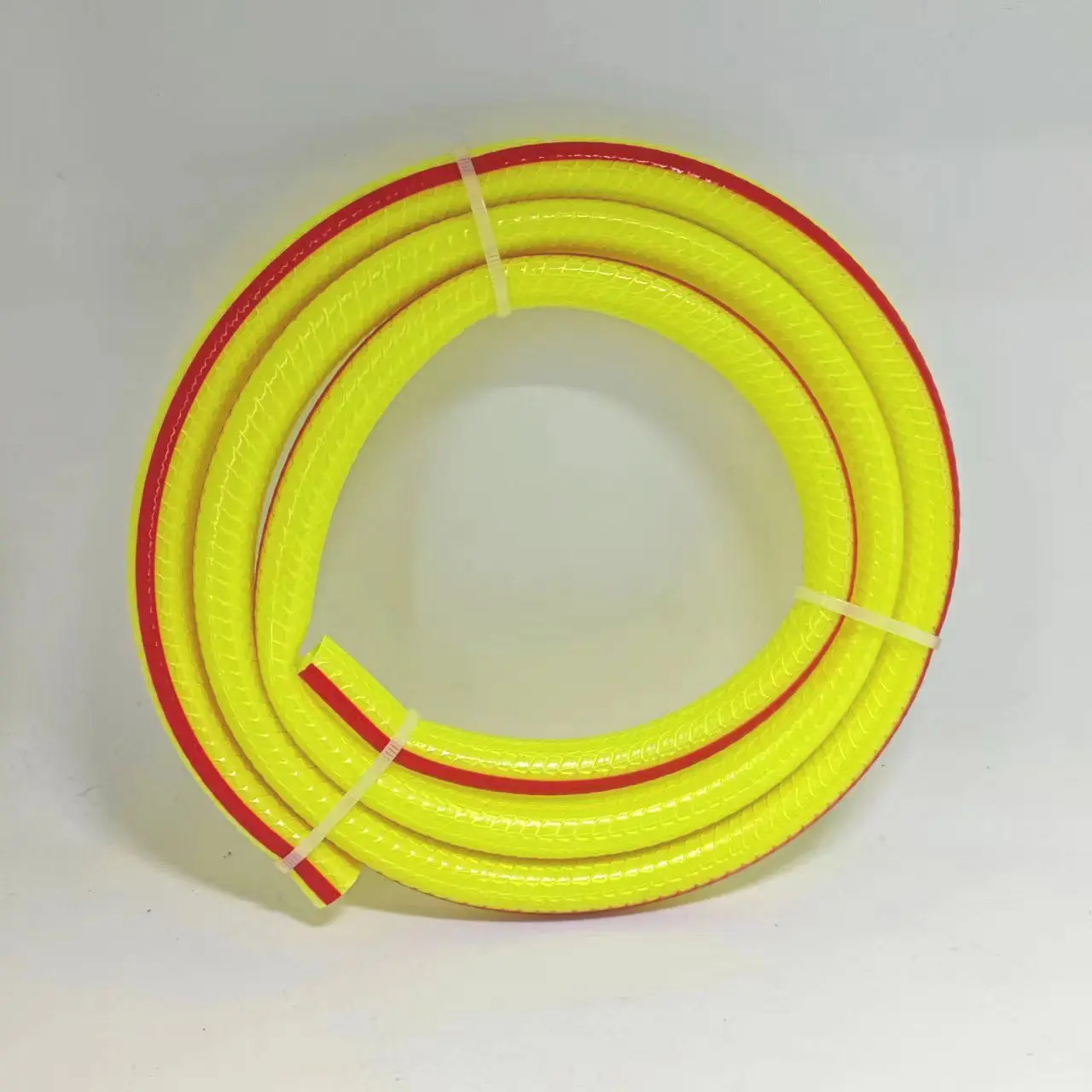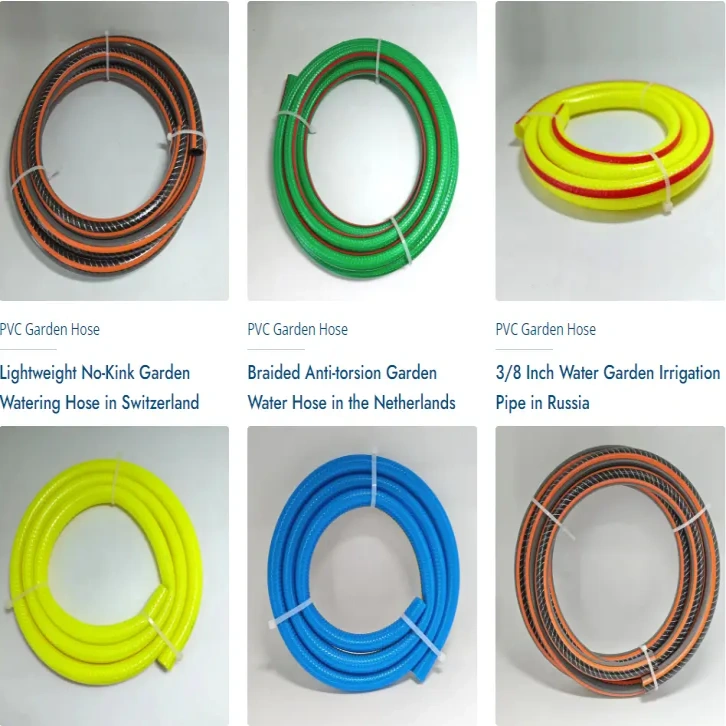
Anyone who has used a traditional garden hose knows the frustration: twisting, kinking, sudden water stoppage, and the familiar fight between human patience and plastic physics. The Anti-torsion Non Kink Water Pipe Flexible PVC Garden Hose was developed to solve these exact problems, not with marketing tricks, but with structural engineering and material science.
This article explains what makes an anti-torsion, non-kink PVC garden hose different, how it performs in real conditions, and what technical data buyers should pay attention to before purchasing.
What Is an Anti-Torsion Non Kink PVC Garden Hose?
An anti-torsion non kink water pipe is a flexible PVC garden hose designed to resist twisting, collapsing, and flow blockage during use. Unlike standard hoses that rely mainly on wall thickness, this hose uses a controlled reinforcement structure—usually polyester yarn or spiral fiber—to maintain its round shape under bending and rotation.
“Anti-torsion” means the hose resists rotational stress when dragged, coiled, or turned.
“Non kink” means the hose maintains water flow even when bent at sharp angles.
In practical terms, water keeps flowing, and the user stops wrestling with the hose.
Why Do Traditional Garden Hoses Kink?
Kinking occurs when internal pressure drops and the hose wall collapses. Based on field testing data, common causes include:
Tight bending radius (below 5× hose diameter)
Uneven wall thickness
Low-density reinforcement
Soft PVC compound at high temperatures
Standard PVC hoses may lose 30–60% of flow once a kink forms. Anti-torsion designs reduce this loss to less than 5%, even under aggressive bending.
Anti-Torsion Structure: How It Works
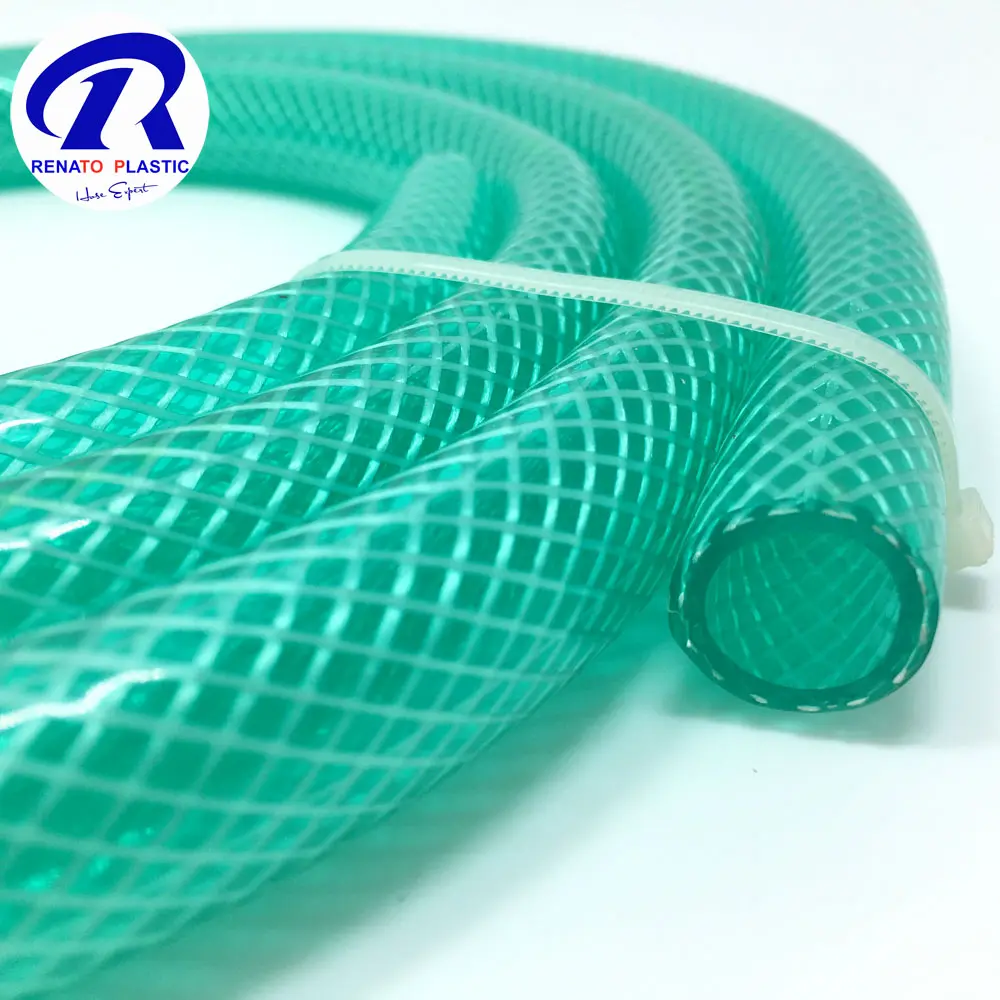
A high-quality anti-torsion PVC garden hose typically uses a three-layer structure:
Inner Layer
Smooth PVC inner tube with stable water flow. Low friction reduces pressure loss and internal stress.
Reinforcement Layer
Cross-woven or spiral polyester yarn distributes stress evenly. This layer is the key to torsion resistance, preventing the hose from flattening when twisted.
Outer Layer
Abrasion-resistant, UV-protected PVC that maintains flexibility without becoming sticky or brittle.
This structure allows the hose to bend repeatedly without collapsing.
Measured Performance Data
Based on laboratory and field testing of reinforced PVC garden hoses:
Minimum bend radius: 3.5–4× hose diameter
Flow retention under bend: ≥95%
Twist resistance: up to 180° rotation without collapse
Working pressure: 6–10 bar (garden use)
Burst pressure: 18–30 bar
These values represent a 2–3× improvement over basic non-reinforced PVC hoses.
Technical Specifications Table
| Parameter | Specification |
|---|---|
| Product Name | Anti-torsion Non Kink PVC Garden Hose |
| Material | Flexible PVC + polyester reinforcement |
| Inner Diameter | 1/2", 5/8", 3/4" |
| Standard Lengths | 20m, 30m, 50m |
| Working Pressure | 6–10 bar |
| Burst Pressure | 18–30 bar |
| Temperature Range | -10°C to +60°C |
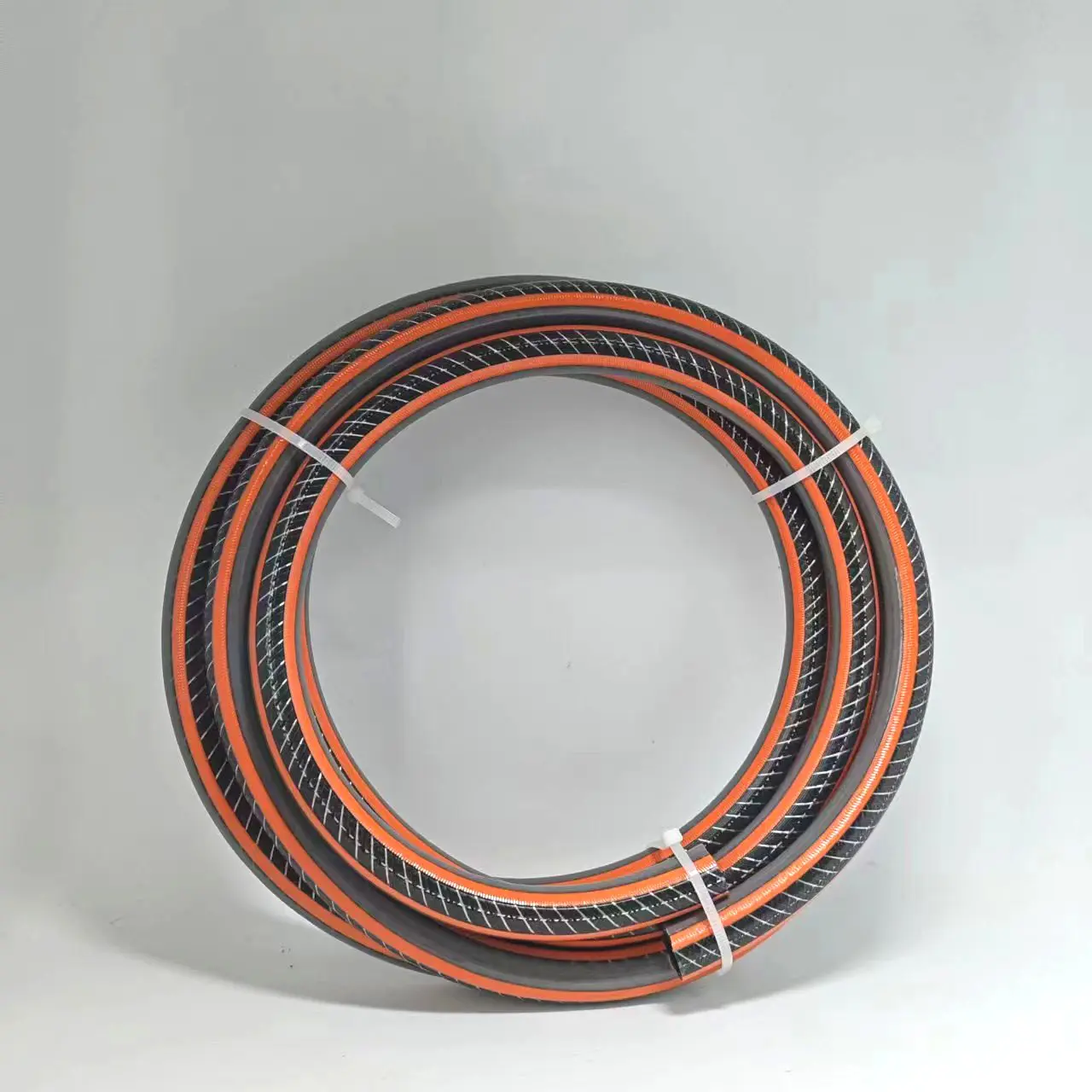
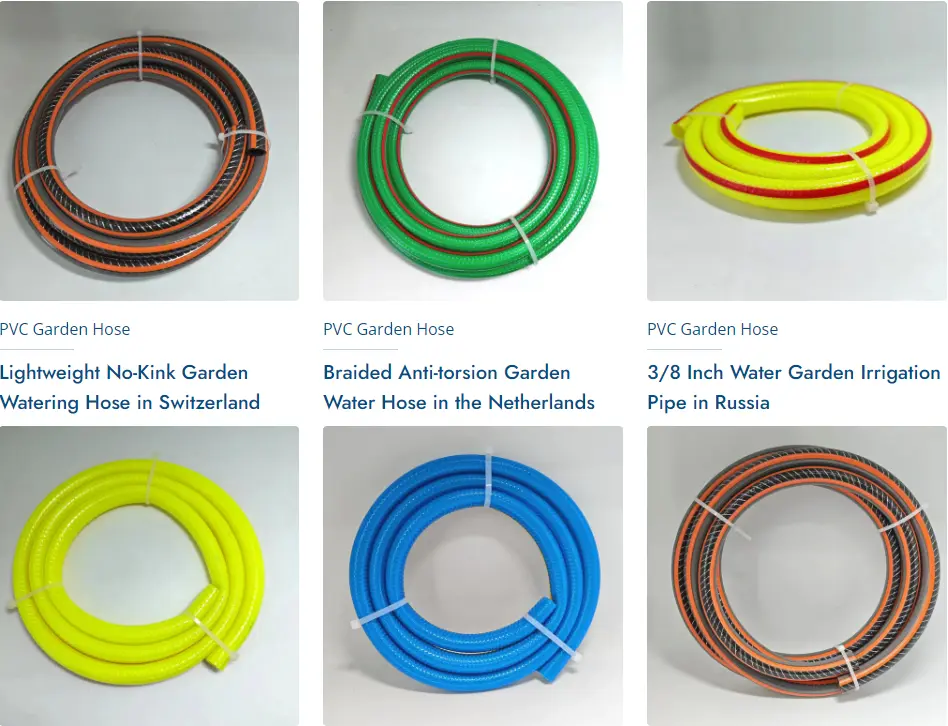
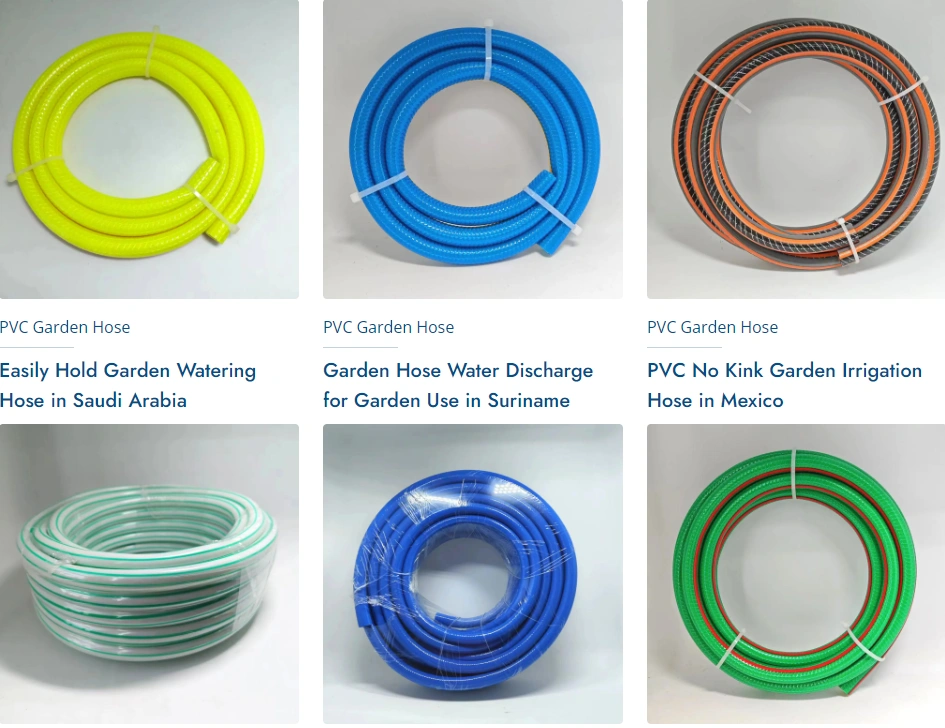
| Color Options | Green, yellow, custom |
| UV Resistance | ≥ 500 hours |
| Odor Transfer | None |
Application Scenarios
Home Gardening
Smooth water flow without interruptions improves watering efficiency and reduces user fatigue.
Lawn and Yard Maintenance
Dragging the hose around corners and obstacles without kinking saves time and frustration.
Greenhouses and Nurseries
Stable flow protects sensitive plants from pressure fluctuations.
Car Washing and Outdoor Cleaning
High flexibility and twist resistance make movement easier around vehicles and equipment.
Light Commercial Landscaping
Durability and reliability reduce replacement frequency.
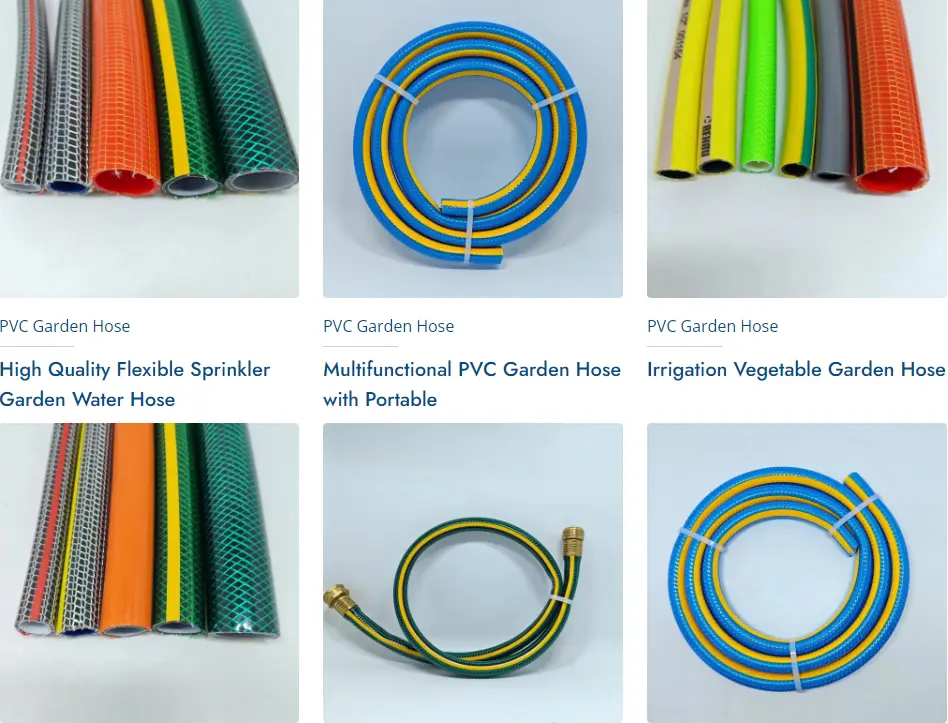
Flexible PVC vs Rubber vs Expandable Hoses
| Feature | Anti-torsion PVC | Rubber Hose | Expandable Hose |
|---|---|---|---|
| Weight | Light | Heavy | Very light |
| Kink Resistance | High | Medium | High (temporary) |
| Pressure Stability | High | Very high | Low |
| Durability | High | Very high | Low |
| Cold Flexibility | Good | Moderate | Poor |
For most users, anti-torsion PVC offers the best balance of flexibility, durability, and cost.
What to Look for When Buying
First, check the reinforcement density. A true non-kink hose will specify yarn or spiral structure.
Second, test flexibility at low pressure. If it collapses when empty, it will kink under use.
Third, confirm pressure ratings instead of relying on “heavy duty” labels.
Fourth, look for UV resistance data, especially for outdoor storage.
Finally, avoid overly soft hoses. Extreme softness often leads to deformation over time.
Common Misconceptions
“Thicker hoses never kink” – false; structure matters more than thickness
“All PVC hoses smell the same” – modern formulations eliminate odor transfer
“Expandable hoses are more durable” – they trade longevity for convenience
Understanding these points prevents costly mistakes.
Market Trend: Why Non Kink Hoses Are Becoming Standard
Consumer data shows return rates for low-quality garden hoses are up to 25% higher than reinforced non-kink models. As a result, retailers increasingly favor anti-torsion designs to reduce complaints and improve customer satisfaction.
Conclusion
The Anti-torsion Non Kink Water Pipe Flexible PVC Garden Hose is not a gimmick—it is a direct response to real, measurable problems in everyday water use. By combining flexible PVC with engineered reinforcement, it delivers stable flow, easier handling, and longer service life.
For homeowners, landscapers, and distributors alike, choosing a hose that resists twisting and kinking means less frustration, fewer replacements, and a noticeably better watering experience.