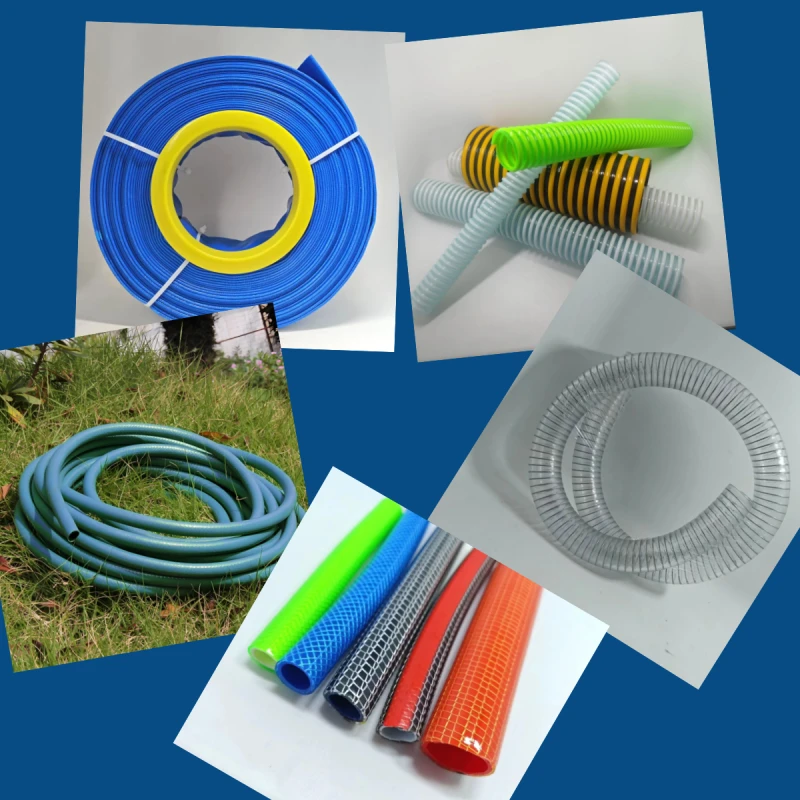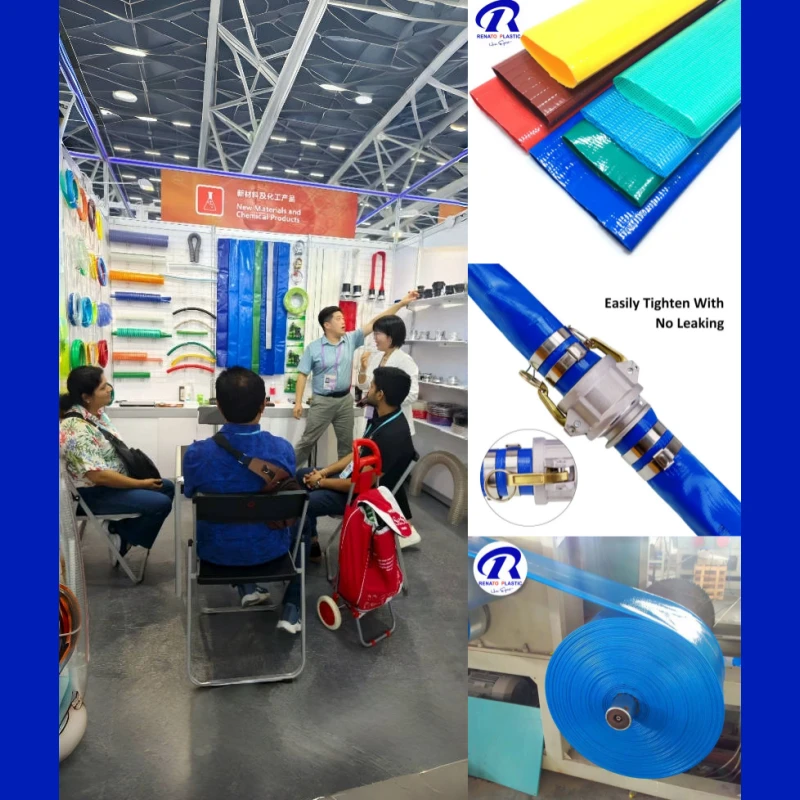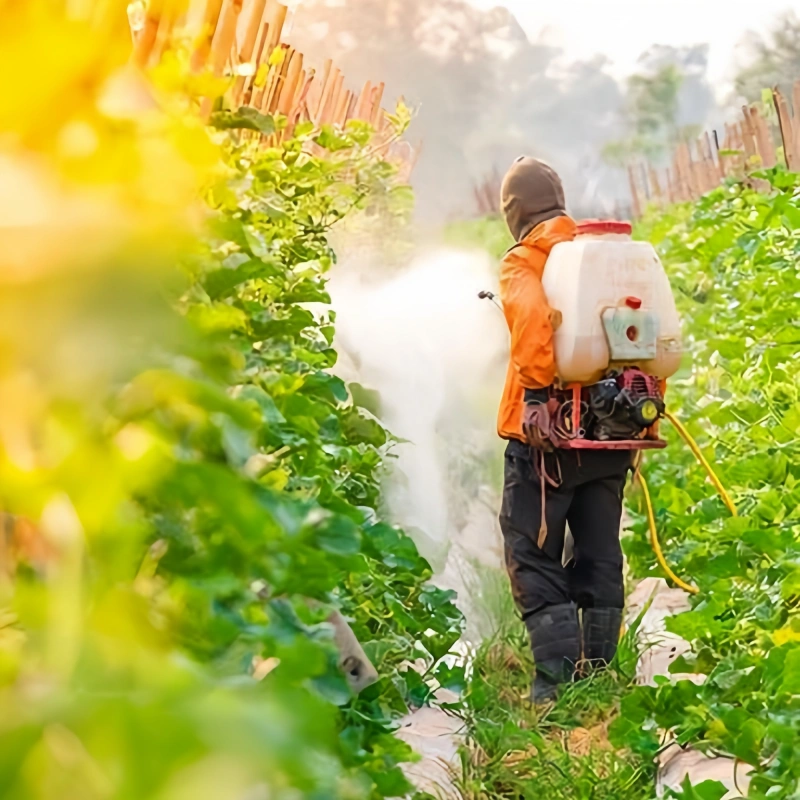
A pesticide spray hose is a high-pressure, chemical-resistant hose designed to deliver pesticides, herbicides, fertilizers, and other agricultural or horticultural solutions through handheld sprayers, knapsack sprayers, power sprayers, or boom sprayers. It is built to withstand continuous pressure, frequent bending, outdoor heat, UV exposure, and chemical corrosion. Most hoses of this kind are made with flexible PVC (polyvinyl chloride) reinforced with high-tensile polyester yarn, though some heavier models use rubber blends for extreme durability.
In practical terms, the hose is the sprayer’s circulatory system. When a pump generates pressure, the hose carries fluid smoothly without leaking, swelling, or kinking. If it fails, a job stops immediately—and worse, workers might be exposed to chemicals. That’s why quality and structural integrity matter.
Why Pesticide Spray Hoses Are Designed Differently
Think of pesticide spray hoses as the athletes of the hose family. They deal with three demands all at once: pressure, chemicals, and mobility. Regular garden hoses crumple under those conditions. To manage the extra workload, pesticide hoses rely on a layered structure:
A flexible PVC inner layer that resists agricultural chemicals.
A polyester or nylon braided reinforcement to handle high working pressure.
A tough outer PVC skin designed to resist sunlight, puncture, abrasion, and heat.
Some heavy-duty versions use multi-layer braiding or add rubberized coatings for thermal stability. The goal is to maintain consistent flow without deforming or bursting.
Common Applications of Pesticide Spray Hoses
Pesticide spray hoses attend far more garden parties than their name suggests. They are used in:
• Orchard and vineyard spraying
• Vegetable and grain crop treatment
• Lawn care and landscaping
• Greenhouse pest control
• Weed management in farms and parks
• Nursery plant maintenance
• Insect control around residential properties
• Liquid fertilizer distribution
• Industrial sanitizing and disinfecting
Because they’re designed for both chemicals and movement, they handle everything from citrus groves to stadium turf.
How Pesticide Spray Hoses Work With Sprayers
The hose connects to a sprayer tank and pump, transmitting fluid to a nozzle. Depending on the type of sprayer, pressure may range from 200 psi for small knapsack models to 600 psi or more for motorized power sprayers.
A good hose keeps internal diameter stable even when pressure spikes. This stability ensures:
• A steady spray pattern
• Even droplet size
• Reliable chemical distribution
• Better operator control
When the diameter compresses under pressure, the operator gets uneven spray output. This wastes chemicals and risks under- or over-application, both of which damage crops.
Key Features of a High-Quality Pesticide Spray Hose
Because the job is demanding, the hose must bring its A-game.
Chemical resistance. Agricultural chemicals can be acidic, alkaline, or abrasive. The hose’s inner layer must resist chemical degradation so it doesn’t harden or crack over time.
High pressure tolerance. The reinforcement layer allows the hose to handle pump pressure without ballooning.
Flexibility. Workers constantly move the hose around trees, rows, or equipment. Flexibility reduces operator fatigue and minimizes kinks.
Abrasion resistance. A tough outer layer prevents wear when the hose drags on soil, cement, rocks, or farm tools.
UV protection. Sunlight can weaken PVC, so UV inhibitors extend lifespan on farms and open fields.
Lightweight construction. A lighter hose is easier to carry for hours during spraying tasks.
Temperature stability. Many hoses operate well from –10°C to 60°C so spraying can continue through seasonal changes.
Typical Specifications for Pesticide Spray Hoses
Sizes and ratings differ by model, but common specifications include:
• Inner diameters: 6 mm, 8 mm, 10 mm, 12 mm, 14 mm (¼" to ½")
• Working pressure: 20–40 bar (300–600 psi)
• Burst pressure: 60–120 bar depending on construction
• Length options: 50 m, 100 m, 200 m rolls
• Material: PVC inner/outer layers with polyester braid
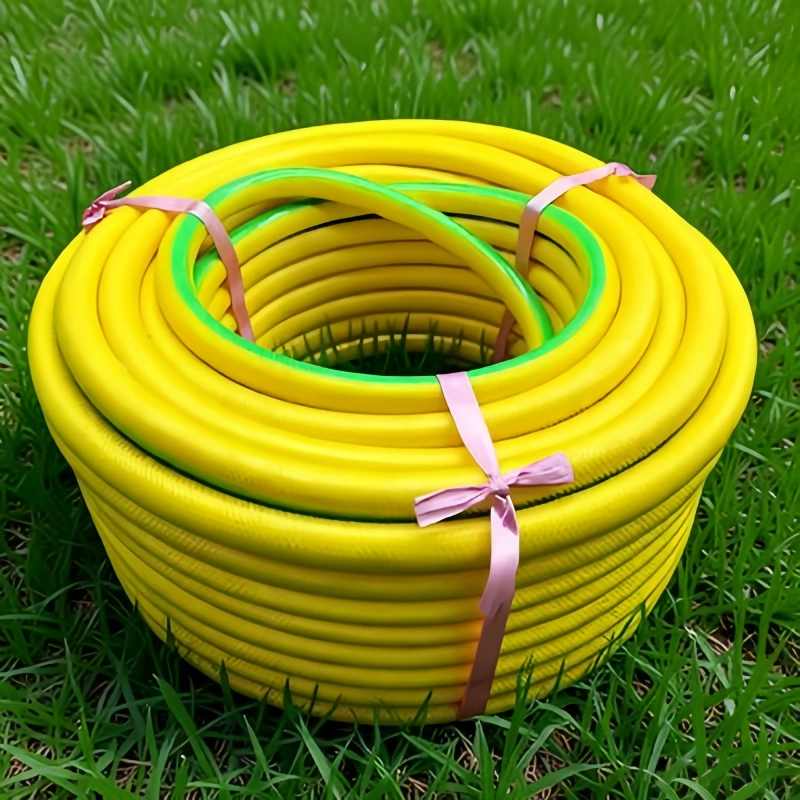
• Color: Usually yellow, orange, blue, or red for visibility
• Reinforcement: Single, double, or triple braid
Thicker hoses with triple braiding are typically used in orchards and vineyards where long reach and strong pumps are the norm.
Choosing the Right Pesticide Spray Hose
Choosing the right hose depends on the kind of spraying, pump type, terrain, and chemical workload.
1. Match the pressure to your pump.
If the pump operates at 25 bar, choose a hose rated at 30–40 bar for a safe margin.
2. Consider chemical type.
Some fertilizers and solvents require upgraded inner layers or rubber-PVC blends.
3. Think about mobility.
For large farms or orchards, flexibility is crucial. A stiff hose becomes a wrestling partner.
4. Select the correct length.
Longer is not always better—long hoses reduce spray pressure. Use only as much as needed for efficient coverage.
5. Check the outer cover.
Heavier outer layers work best for rocky or abrasive ground conditions.
Pesticide Spray Hose vs. Garden Hose
These two hoses are distant cousins who share a surname but little else.
A garden hose is not built for:
• High pressure
• Chemical exposure
• Constant bending
• Long-term sunlight
• Pump vibration
Using a garden hose for pesticides quickly leads to burst spots, leaks, and premature aging. Worse, chemicals can break down the inner tube, sending residues into the spray line. A pesticide hose, on the other hand, is engineered specifically for agricultural workloads.
Maintenance Tips for Longer Hose Life
A pesticide spray hose’s lifespan depends on care. A few simple habits stretch durability:
• Rinse the hose after spraying corrosive chemicals.
• Avoid dragging across sharp rocks or rusty equipment.
• Store in shade or indoors to protect from UV.
• Release pressure before disconnecting.
• Coil the hose loosely to prevent internal twisting.
Overpressurizing is one of the fastest ways to kill a hose. Always monitor your pump settings.
Why PVC Is the Dominant Material
PVC strikes a balance between chemical resistance, affordability, and flexibility. Farmers also favor it because:
• It is easy to coil and uncoil.
• It can be reinforced inexpensively.
• It maintains flexibility across seasons.
• It doesn’t react with most agricultural chemicals.
While rubber hoses exist for heavy-duty spraying, PVC remains the everyday workhorse thanks to its lighter weight and attractive cost-performance ratio.
Common Industries That Use Pesticide Spray Hoses
While agriculture is the big player, many industries rely on these hoses:
• Commercial landscaping
• Golf course maintenance
• Forestry
• Public health mosquito control
• Greenhouse operations
• Flower nurseries
• Orchard management
• Horticulture research stations
Wherever plants grow, pests follow—and hoses step in to help.
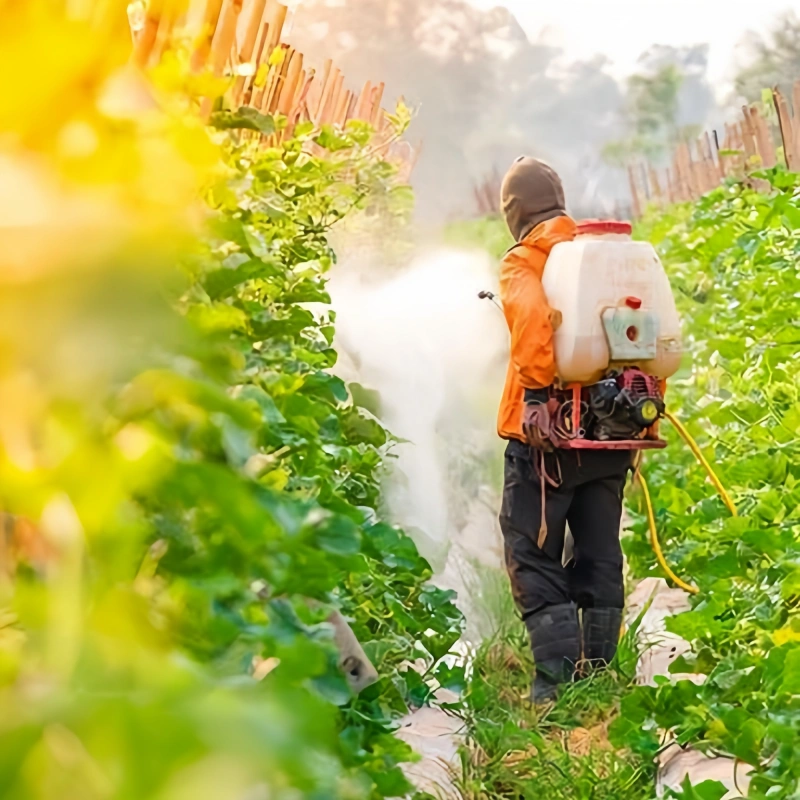
Global Demand and Market Trends
Growing agricultural mechanization across Asia, Africa, and South America has sharply increased demand for high-pressure spray hoses. Climate change has also expanded pest ranges, making regular chemical spraying essential for crop protection.
Meanwhile, shifting consumer preferences push hose factories to develop:
• More eco-friendly PVC formulas
• Longer-lasting UV-stabilized hoses
• Lighter hoses with higher pressure ratings
• Anti-kink embedded structures
• Bright safety colors for field visibility
As farms scale up, durability and efficiency become even bigger priorities.
Buying Pesticide Spray Hoses in Bulk From Manufacturers
Many buyers—distributors, agricultural supply shops, orchards, greenhouse operators—prefer direct factory sourcing for cost savings. Factories usually offer:
• Roll lengths of 50 m, 100 m, 200 m
• Customized pressure ratings
• OEM branding
• Color customization
• Reinforced connectors
• Palletized export packaging
Bulk orders typically bring down cost per meter significantly, especially for triple-braided hoses.
Final Thoughts
A pesticide spray hose may look simple, but in agriculture it’s a vital tool that protects crops, boosts productivity, and keeps operators safe. The right hose improves spray efficiency, makes chemical application uniform, and lowers labor fatigue. The wrong hose wastes chemicals, frustrates workers, and breaks down under pressure—sometimes literally.
Understanding construction, pressure ratings, material quality, and application needs allows buyers to choose a hose that truly fits their farm or landscaping job. Quality hoses save money in the long run, especially as agriculture moves toward precision spraying and more demanding workloads.
The world of hoses is wider than most people imagine, and exploring it reveals how much careful engineering goes into even the most everyday tools on a farm.